What a year! For the games specifically, and not the industry that creates them (which mostly seems to be in shambles).
I like the word count limits I’ve been playing with for the last couple years, but have a slight twist on it this year- I’m going to be sorting all the games into categories/tiers and assigning a word count to each. I played 37 games this year, so let’s start with the bottom with the “Nah, You’re Good” tier and work our way up to the esteemed “Must Play” tier!
NAH, YOU’RE GOOD
(50 word limit)
The “Nah, You’re Good” category consists of games that I don’t think anyone needs to play. It consists mostly of known quantities, bad entries in otherwise good franchises, and games I simply didn’t enjoy.
37. A Space for the Unbound
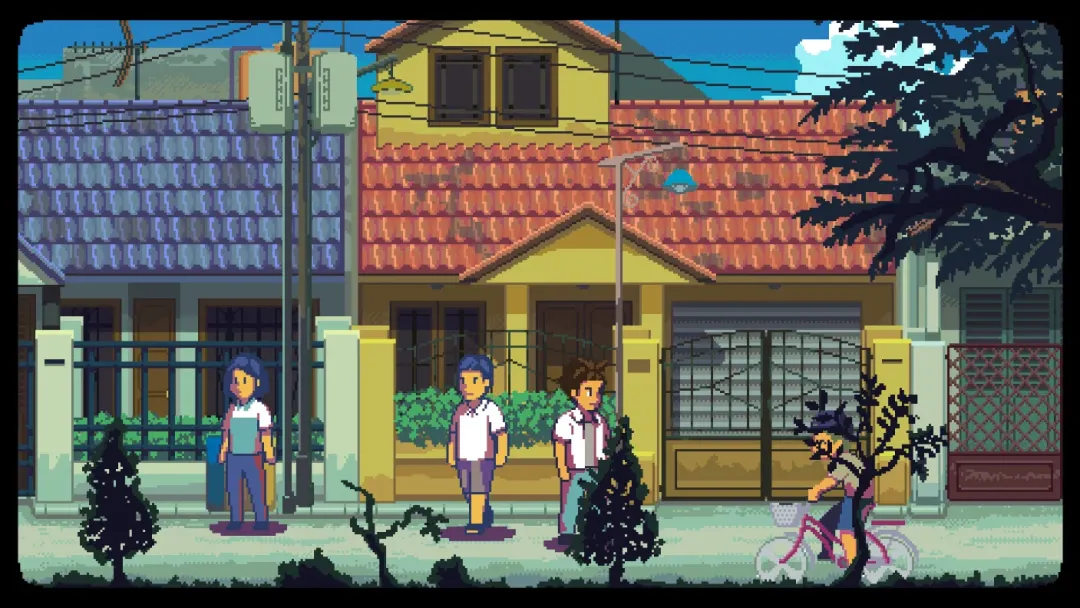
It’s tough to talk about this game without feeling like I’m dunking on the little guy- it’s clearly made by a passionate team and meant a lot to them. Unfortunately I found it extremely boring and predictable, and by the time it concluded I was finishing it out of spite.
36. The Mageseeker
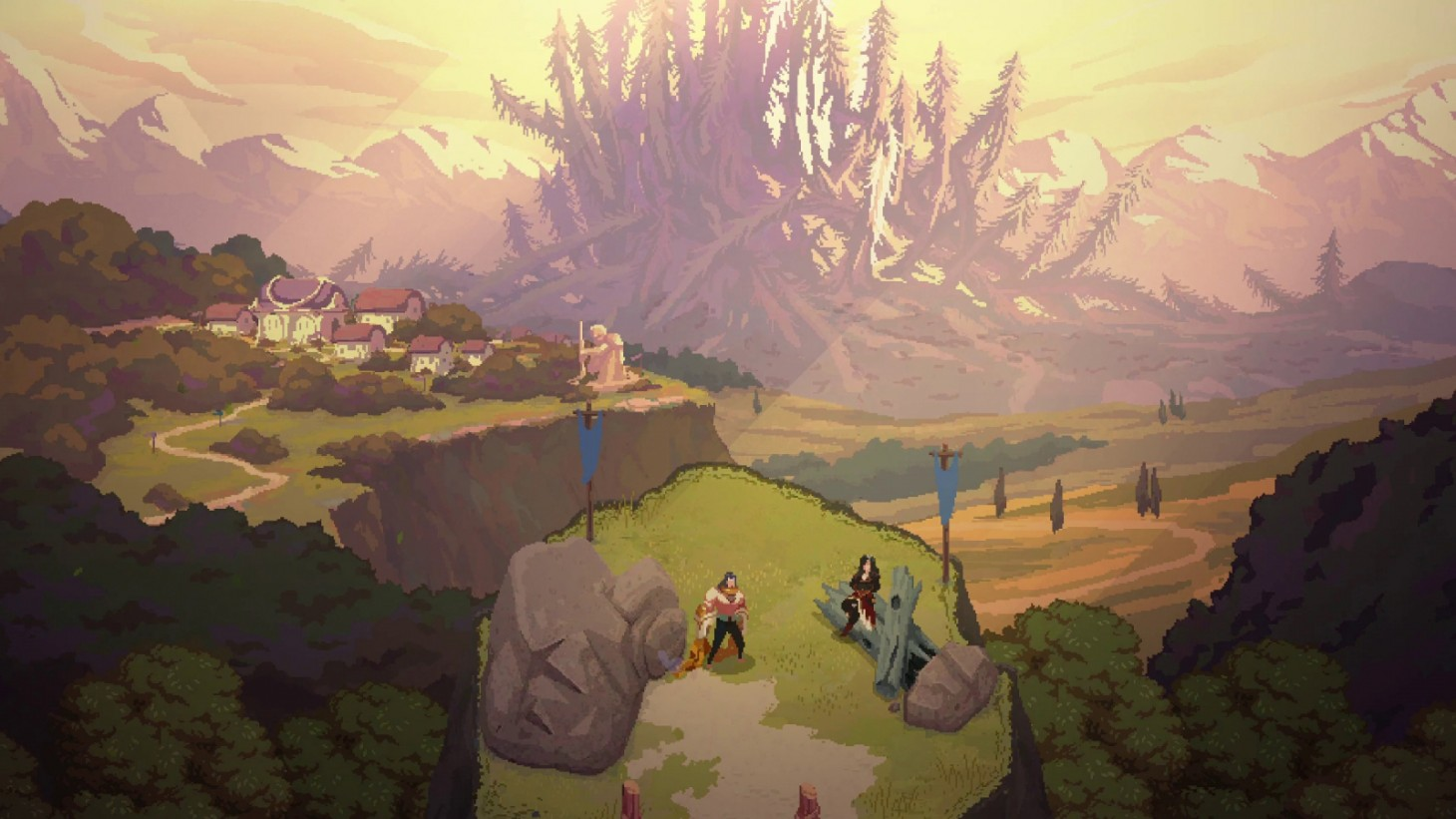
The exciting part of extended universe League of Legends stuff should be learning more about characters than you already knew from other media. Instead, this game tells the Sylas story we already knew, and is a below-average indie action game otherwise.
35. Warcraft Rumble
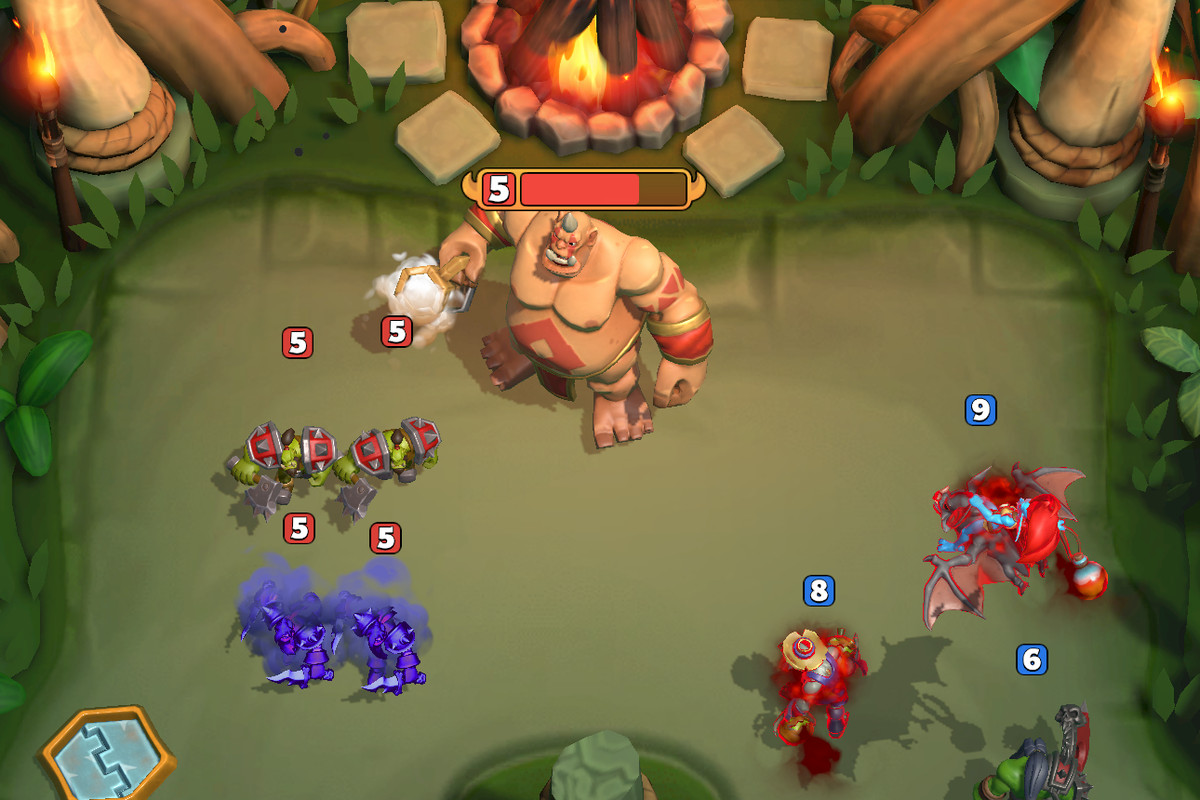
“Clash Royale with Warcraft characters” more or less sums this up, but it does some neat things with single player modes and map variety. It’s held back by inconsistent balance and slow progression that led to me not sticking with it more than a week or two.
34. Dave the Diver
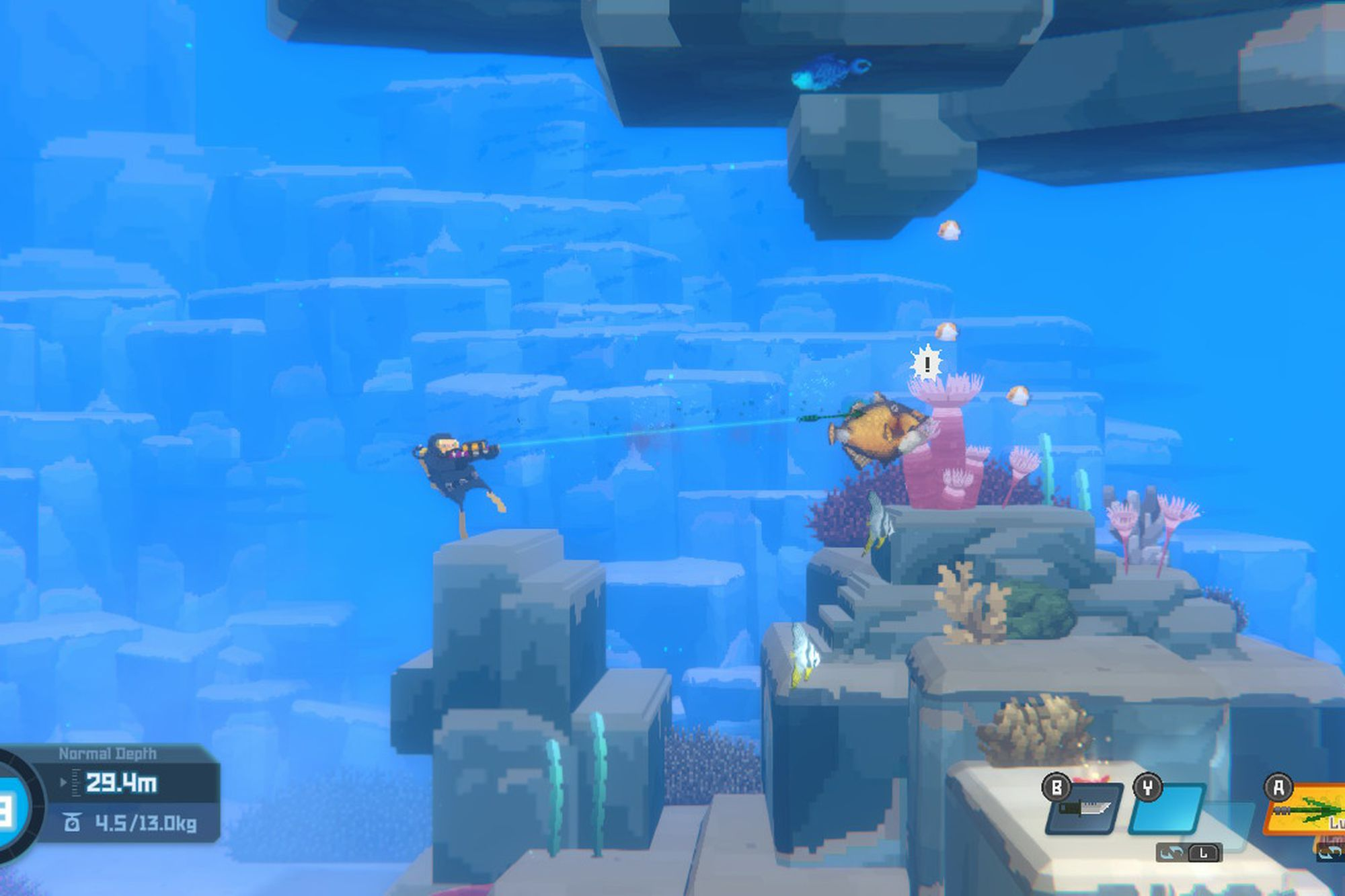
This game has a weird split of about 40% exploring the ocean and catching fish, 20% bad restaurant management, and 40% bad minigames and one-off sections. I enjoyed the fishing parts well enough, but it being such a strangely small percentage of the game wasn’t enough to carry the rest.
33. Starfield
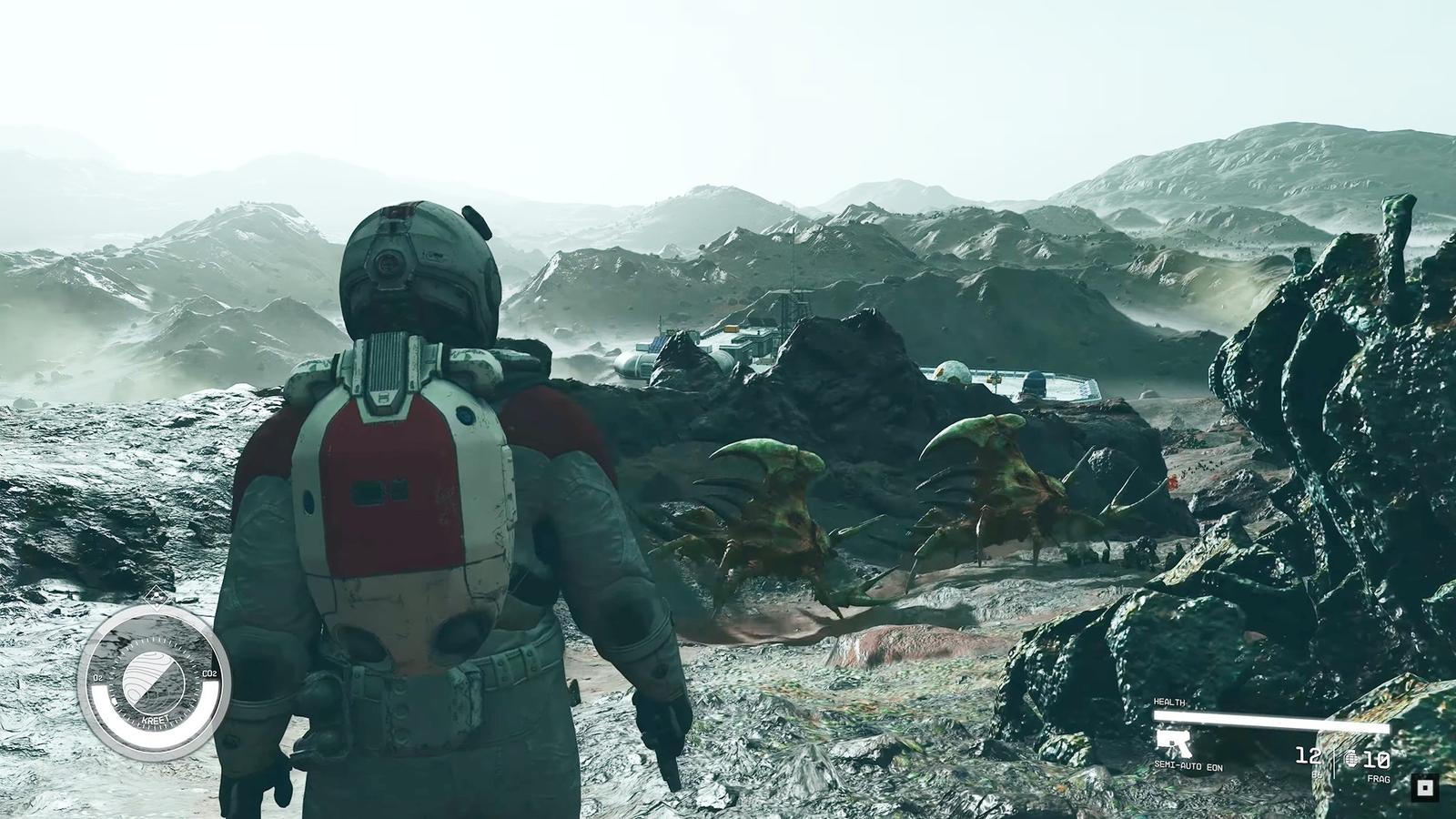
I don’t have much to say about Starfield except that I never got momentum with it. Nothing about the gameplay or story hooks offered in the first 10 hours was compelling enough for me to want to play it for anything other than a “well I need to have an opinion on this, right?”
32. Diablo IV
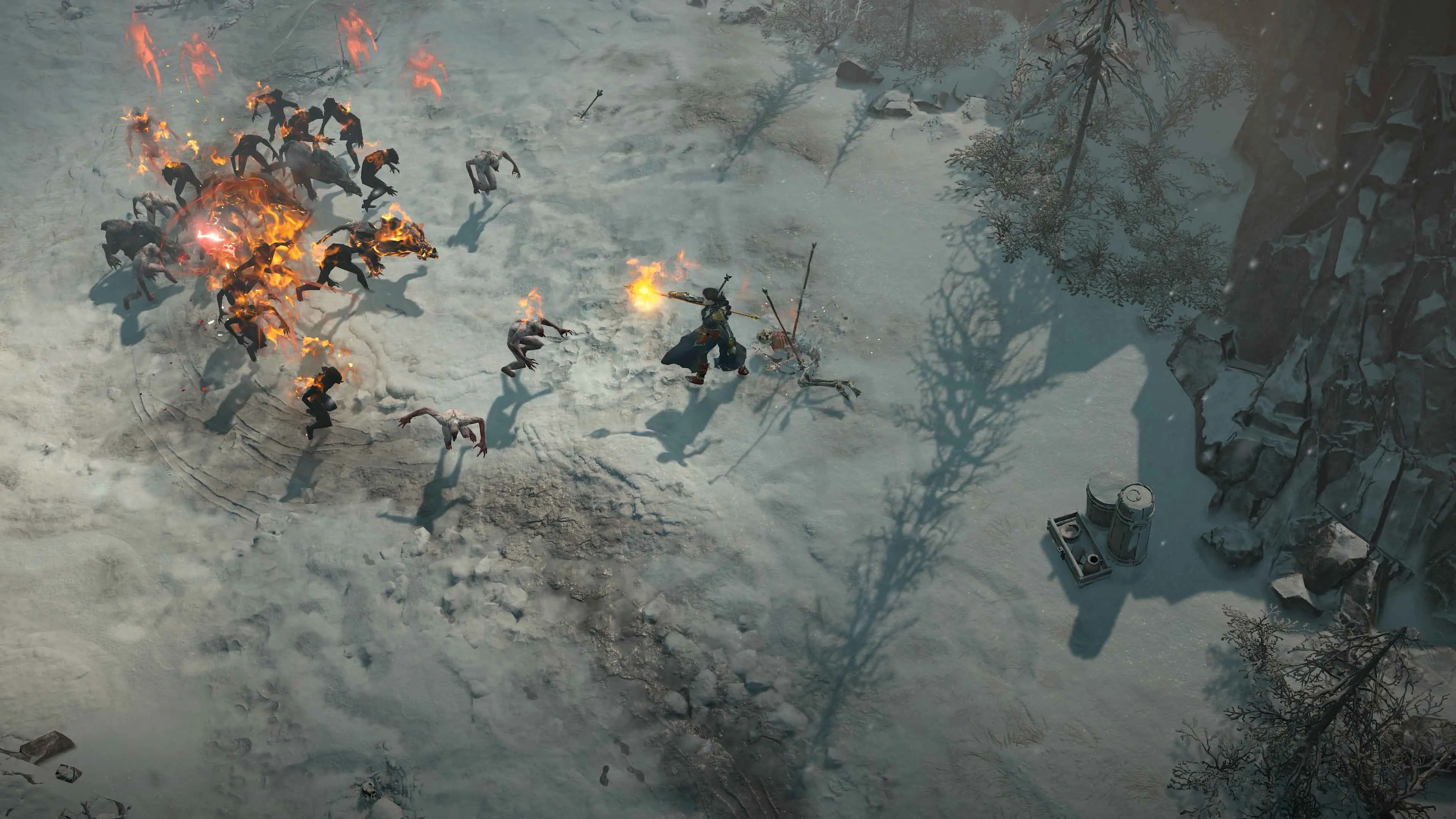
You ever clicked on a skeleton until they exploded and dropped a new belt for you to wear? That’s still a good time and all, but Diablo IV is getting graded here on the curve of every change made between III and IV feeling like a downgrade.
31. Fire Emblem Engage
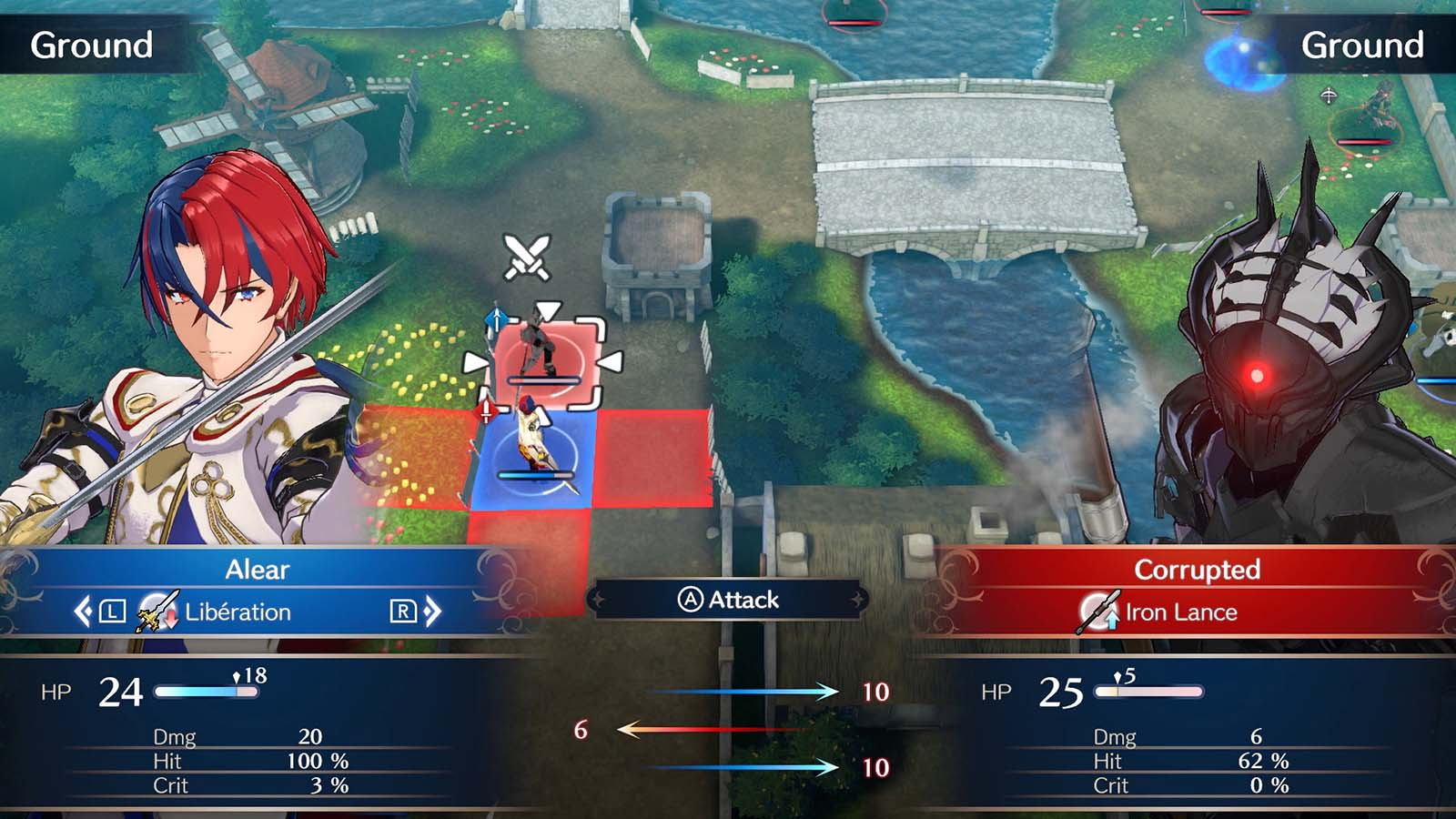
Some of the gameplay and tactical changes in this game are great upgrades from the previous game, Three Houses, but I can’t in good conscience recommend a game with a story and cast of characters as embarrassingly bad as this one. Huge disappointment after Three Houses was my 2019 GOTY.
YES, BUT…
(150 word limit)
Games in the “Yes, But…” category are games that are good, but I need to know more about a person before recommending them. These are games I have quibbles with or are for a specific kind of person, but are generally well-made and solid.
30. Humanity
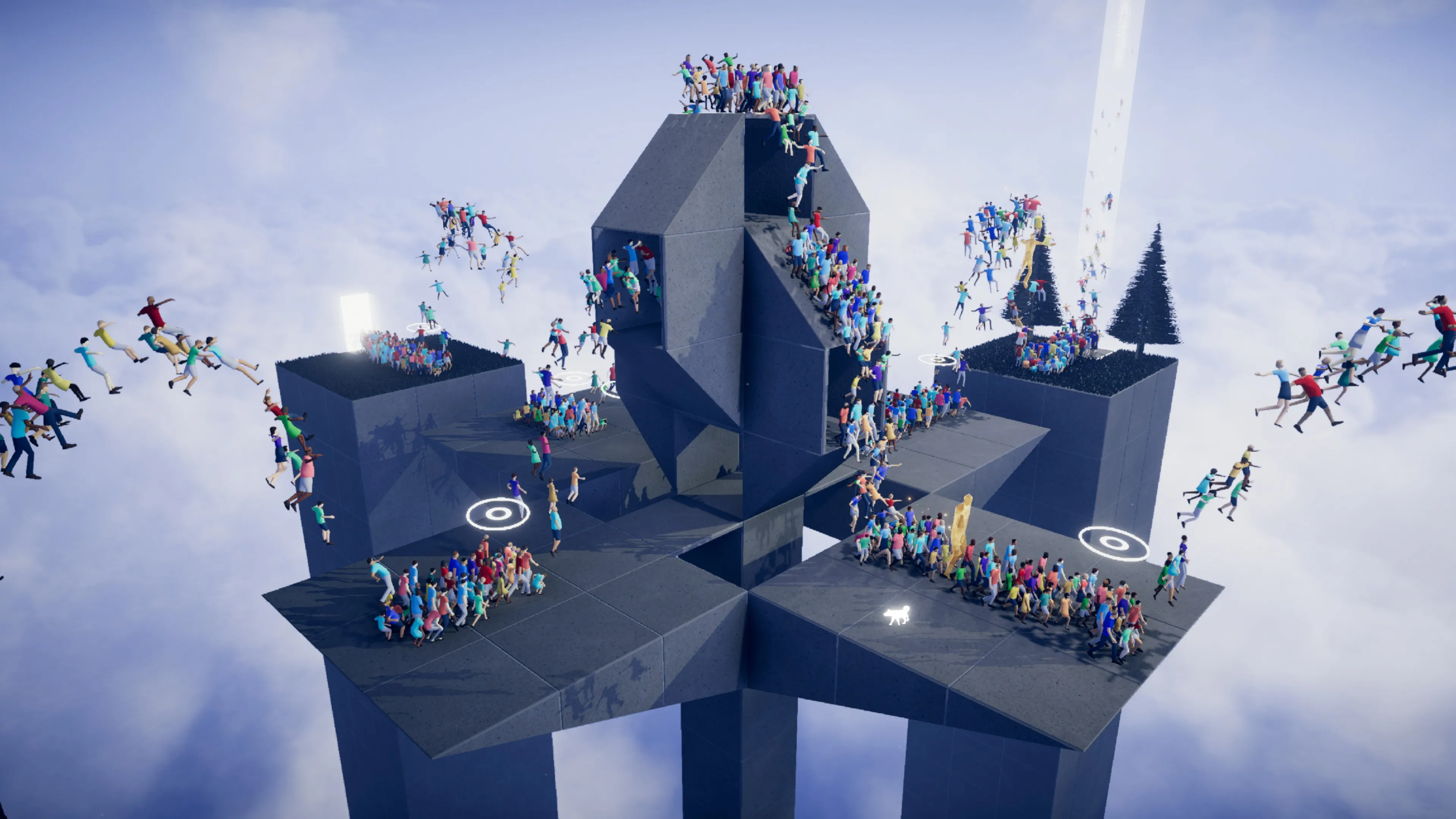
Humanity is an audio-visual masterclass and a well-designed puzzle game, but not a style of puzzle game I enjoy. There were two problems I started running into after a few worlds that broke it for me: the first is that I have mobile game completionist brain worms, where if you give me a star rank on levels (or in this case have the bonus challenges in each level), I will beat my head against the wall on that level to fully complete it before moving on. My second problem is that I don’t enjoy puzzle games that require quick thinking and proper timing to complete- they stress me out more than they satisfy me. These two issues combined to make me stuck restarting the same handful of levels for 30 minutes each to try to get them perfect, and ended with me closing the game in frustration.
29. Lethal Company
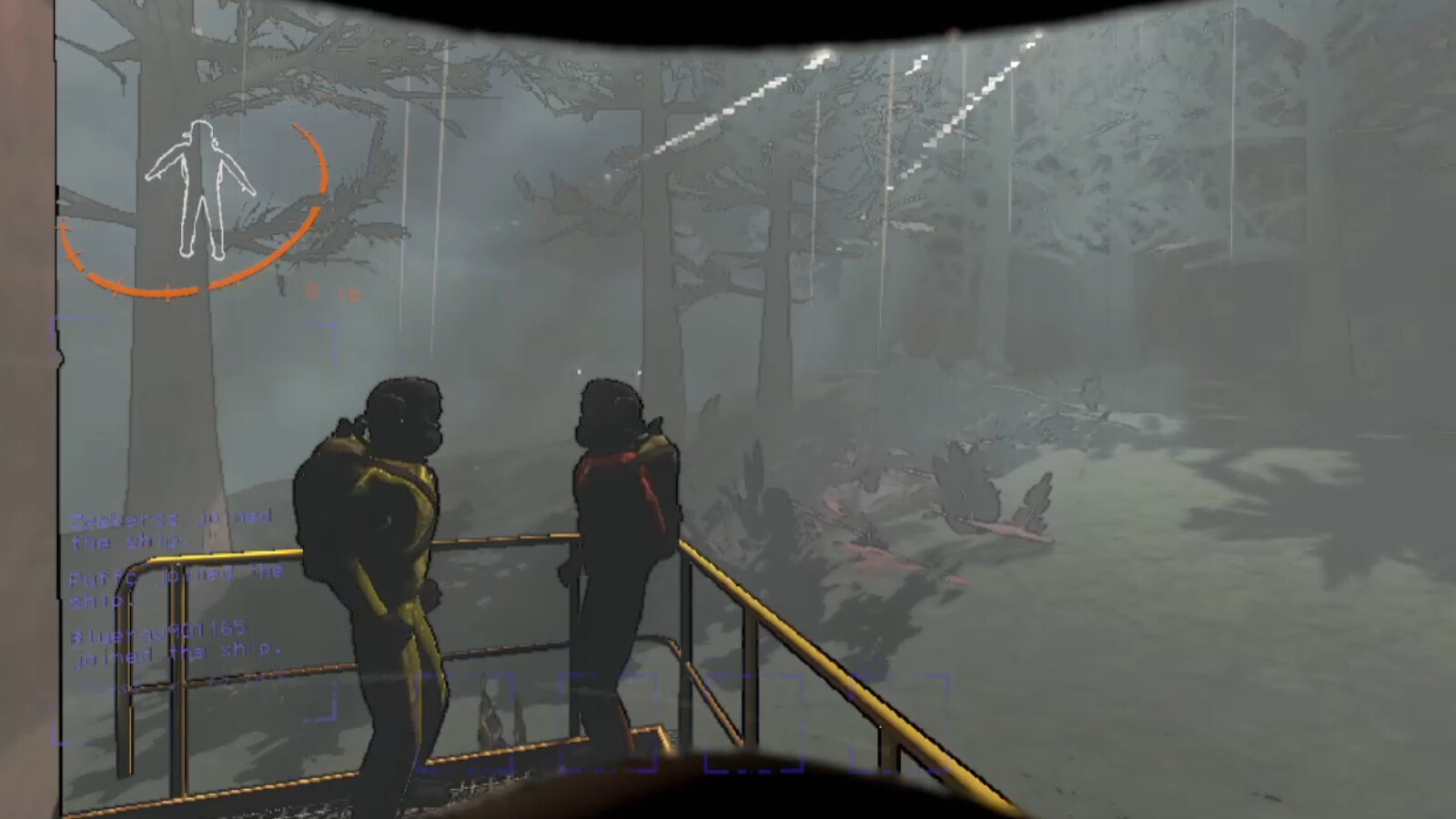
I’m really glad Lethal Company exists, and glad everyone had such a good time with it this year, but it has to be this low on the list if I’m being honest with my experiences with it. I think the ideal scenario to play a game like this is if you get a consistent group together that only plays the game with each other. My best experience with this game was my first one, where my entire group was playing it for the first time and discovering things together. As soon as there’s any disparity in knowledge and time played, the whole thing kind of falls apart for me. The sense of discovery and fear coming from not knowing what’s going to be around the next corner is completely lost when you have someone telling you “oh yeah I’ve seen one of those, do this and they ignore you.”
28. Darkest Dungeon 2
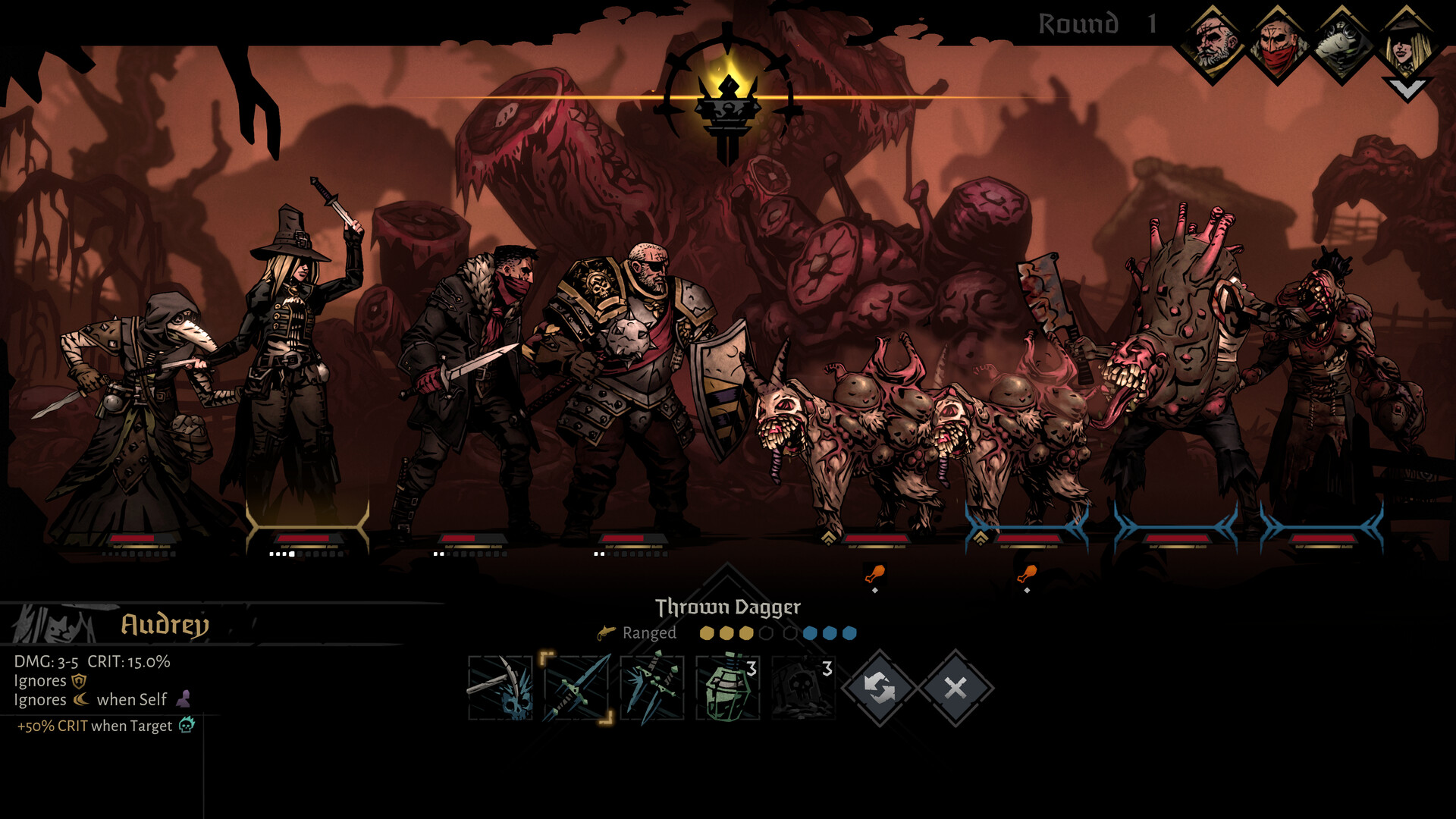
Darkest Dungeon 2 is a sequel to one of my favorite games of the last decade, and makes a suite of changes ranging from “kind of neat” to “doesn’t really work.” Probably the biggest of these changes is the move away from a long-term campaign with persistent characters that can permanently die to a more run-based short-term format. I like this version of the game and appreciate them trying to mix it up, but ultimately like the format of the original more. Similarly, I like the new story bits about the characters fine, but preferred renaming and getting attached to permanent party members in the original game. The whole game suffers from this- none of it is bad, but none of it (save the visuals) feels like an improvement over the first one. On its own it’s a fun game, but the comparison to its predecessor is an unfavorable one.
27. Final Fantasy XVI
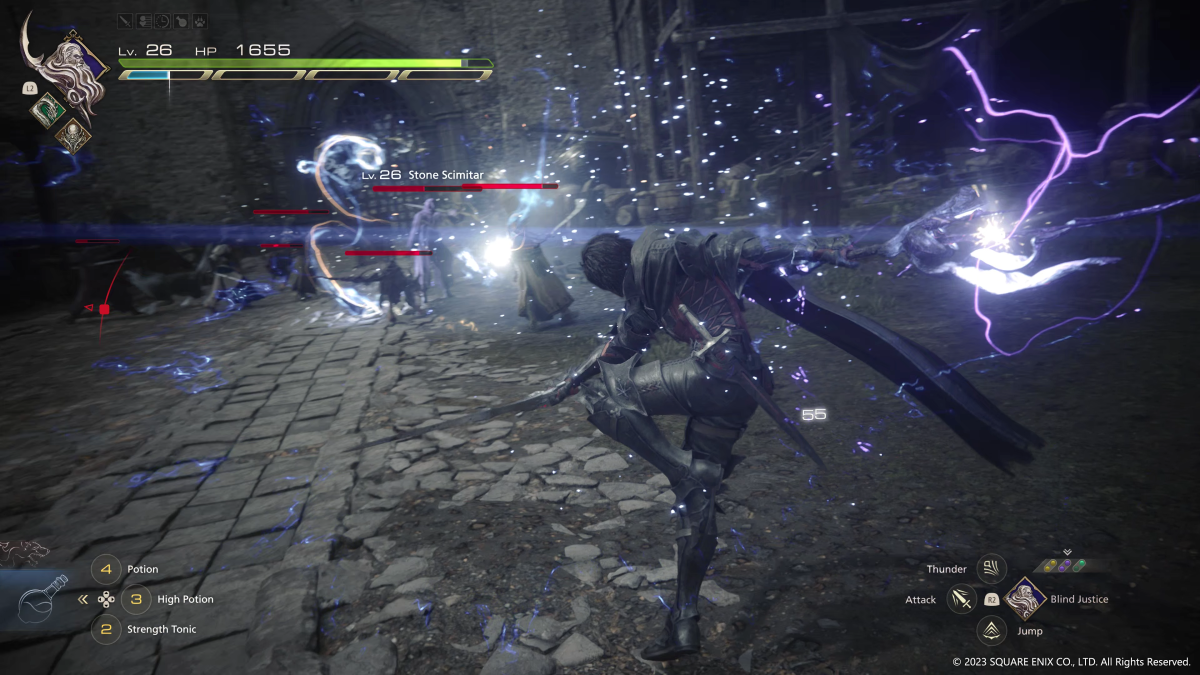
FF XVI is a game at odds with itself- on its face, it wants to be a single-character focused action game, but it still half-heartedly surrounds the main character with a “party” of supporting characters that you can easily picture slotting into a more traditional party structure. It’s the first M-Rated Final Fantasy game and wants you to take its dark edginess seriously, but ends up in a lot of ways being the most juvenile and childish. It wants you to think of stylish action games like Devil May Cry and Bayonetta with its combat, but is too easy and simple to live up to that aesthetic gesturing. Most egregiously, it wants you to think it’s a big sweeping RPG adventure, but ends up feeling much more like a frictionless linear AAA action game. It’s not a bad game, but feels like too many voices pulled it in too many directions during development.
26. Tchia
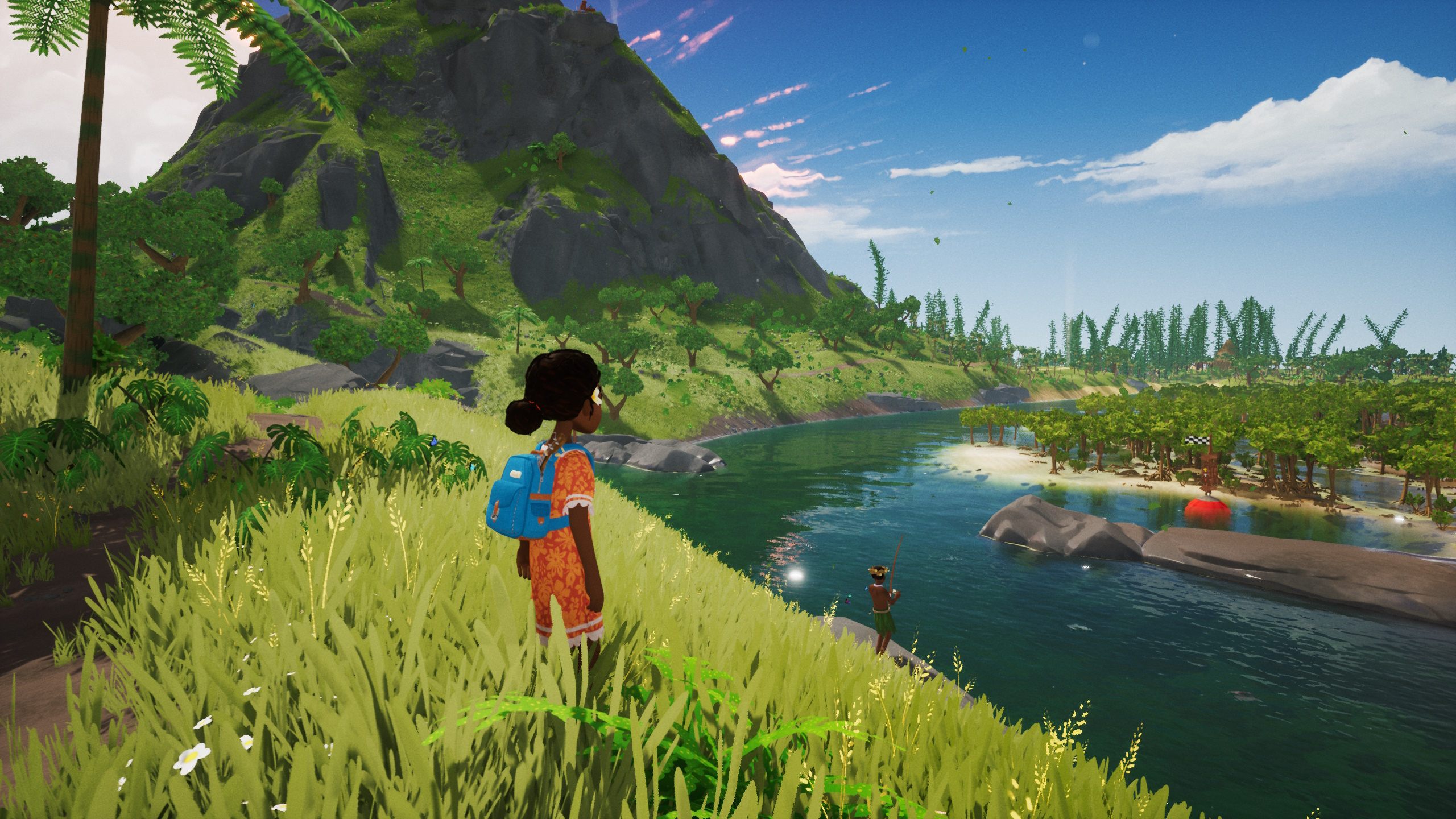
Tchia is a game that’s easy to root for. It’s cute, visually pleasing, was made by a small passionate team and is based on their home country’s culture, and generally offers chill island vibes that are easy to sink into. It’s at its best when it spits you out into a giant open island and lets you wander around collecting things and doing whatever looks fun or catches your eye. Conversely, it’s at its worst when asking you to complete the main objectives to progress in its story. It’s not a game well-suited for “combat” or encounters with enemies, but requires them at almost every step along the way towards completing it. You could argue that it’s my fault for trying to “finish” the freeform island fun time game, but I would argue that games don’t need to include the parts that aren’t fun.
25. Cyberpunk: Phantom Liberty
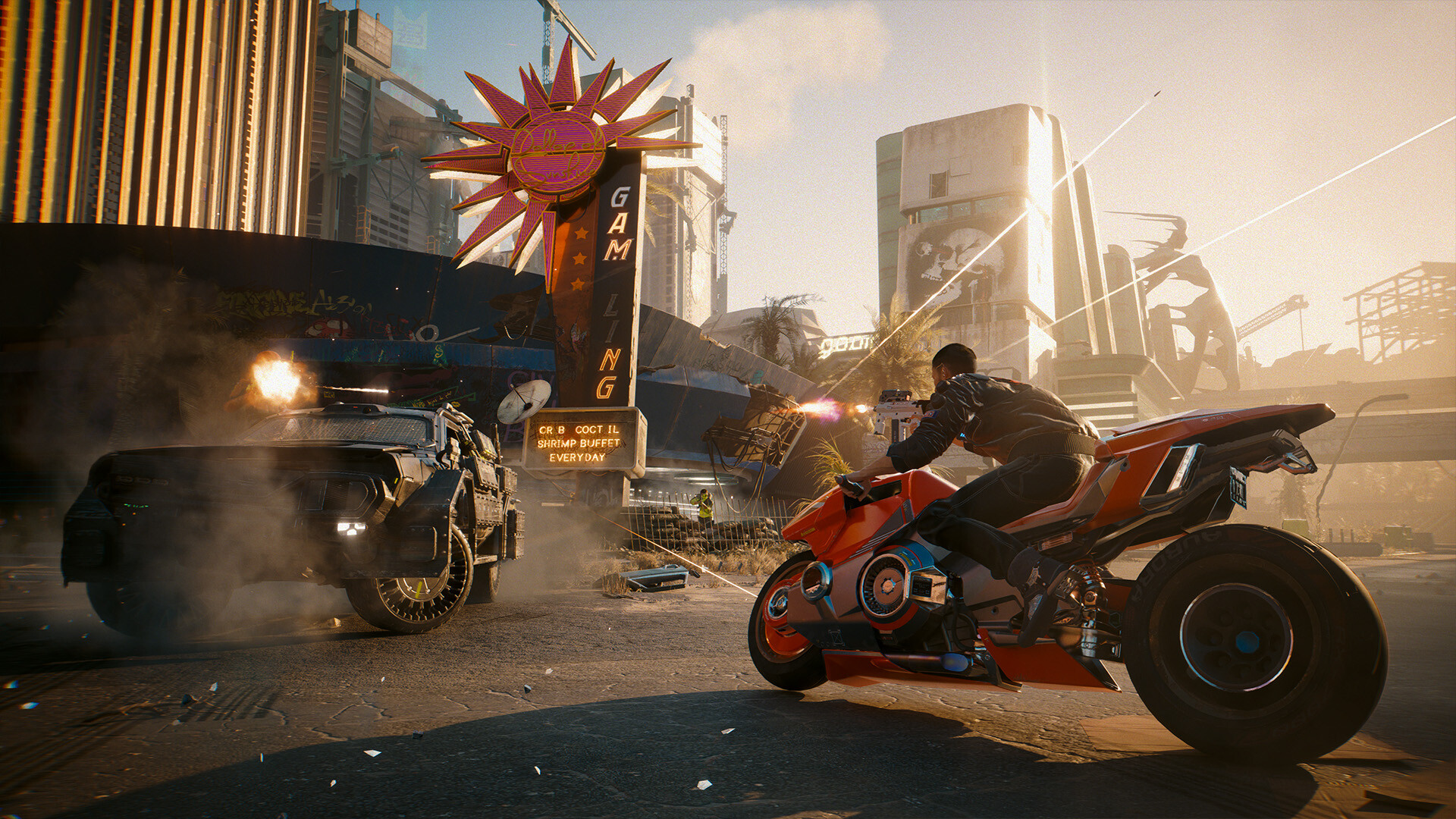
Everyone wouldn’t shut up about how “Cyberpunk is finally good now, you gotta play the new expansion!” and finally wore me down into trying my #38 game of 2020 again. They were right to some extent- it’s a much better game than it was when it came out, but even with so many layers of lipstick you can still see the pig for what it is underneath. The biggest success of this expansion/overhaul is that I actually cared about leveling up and guiding a character build for the first time, which does a lot in terms of giving me momentum to want to play a game. I also think the new storyline with Idris Elba and his spy syndicate was a lot more interesting than the original story. It’s a good game now, but still not the great game everyone hoped it would be.
24. Wo Long: Fallen Dynasty
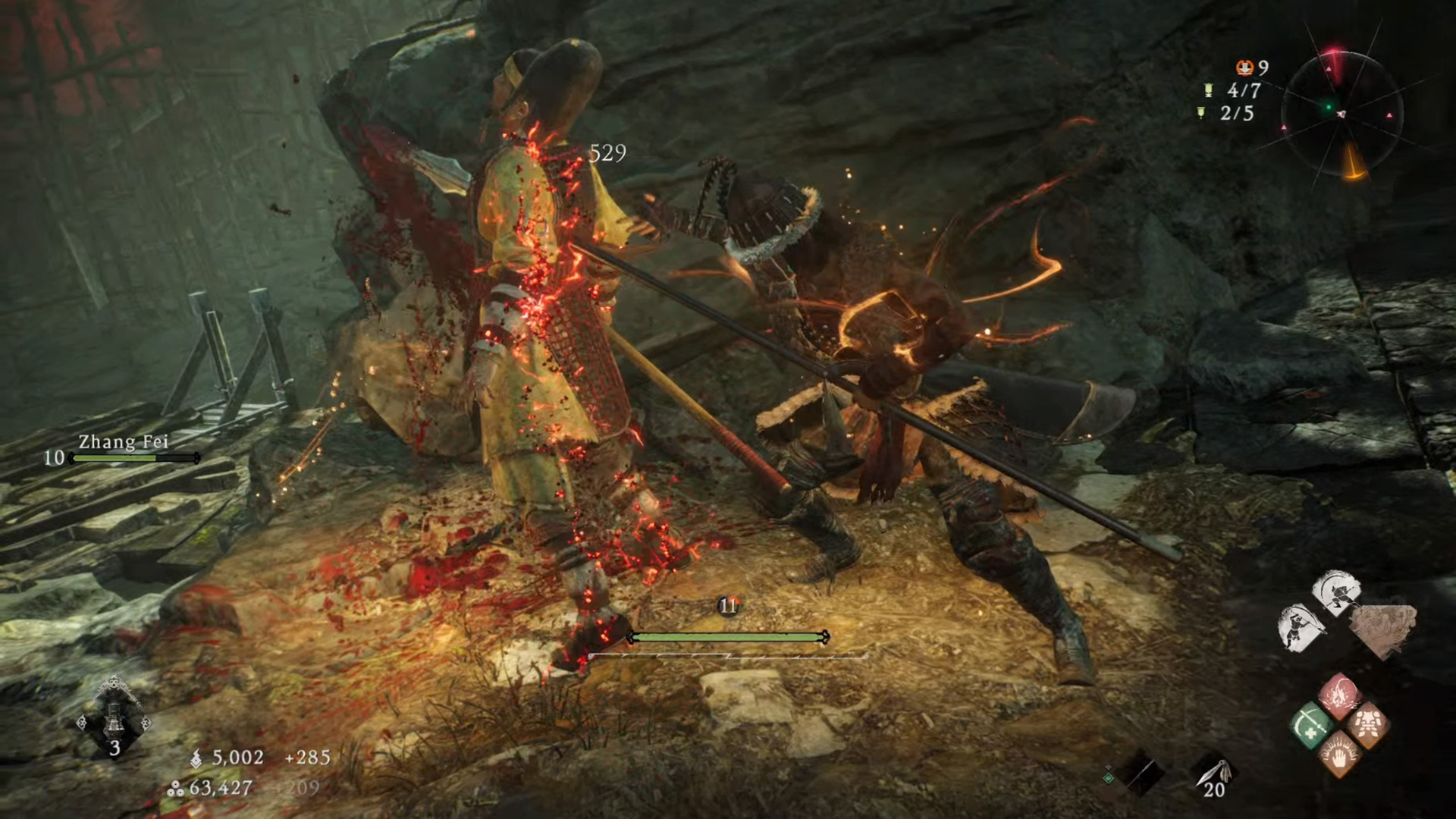
If you asked me halfway through the year, I would have told you there was a new best non-From Software soulslike game. If you asked me at the end of the year that would still be true, but my answer would no longer be Wo Long: Fallen Dynasty. Wo Long’s biggest strength is in its aesthetic- Chinese Three Kingdoms mythology remains undefeated in terms of sick looking dudes swinging sick looking weapons around in sick ways. The combat is fast and flashy like you’d expect from the setting, and makes you feel really cool. The game suffers from the same biggest problem that Nioh had, which is that Team Ninja can’t seem to design a coherent level that is easy to understand and move through to save their lives. Luckily the game doesn’t get hard or frustrating enough that you’re having to navigate their weird confusing mazes more than a couple times each.
23. Viewfinder
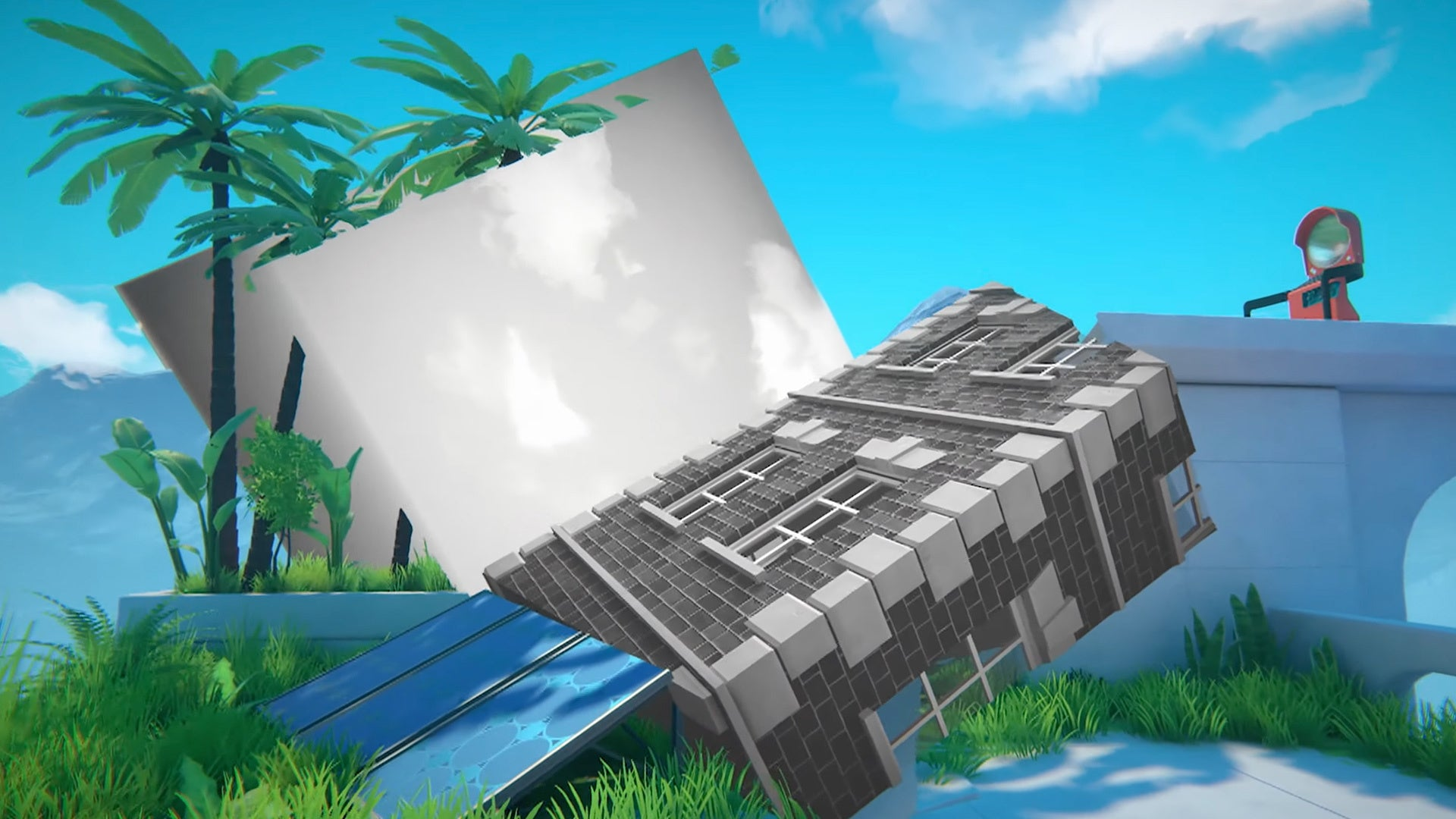
Viewfinder is a first person puzzle game with a great main mechanic that doesn’t overstay its welcome or get too difficult or complex. It’s good at making you feel smart without any periods of staring at a puzzle for 15 minutes trying to figure out what the hell it’s expecting of you. The main mechanic is taking pictures of the environment and “placing” them back into the environment to create new geometry to interact with, and that gimmick stays impressive throughout. It’s a puzzle game that doesn’t revel in trying to stump the player, but wants you to finish it and feel good about it. The most talked-about complaint about the game is unfortunately a valid one- the characters talking during puzzles and the story presentation overall is very saccharine and childlike in a way that’s more grating than endearing.
22. Venba
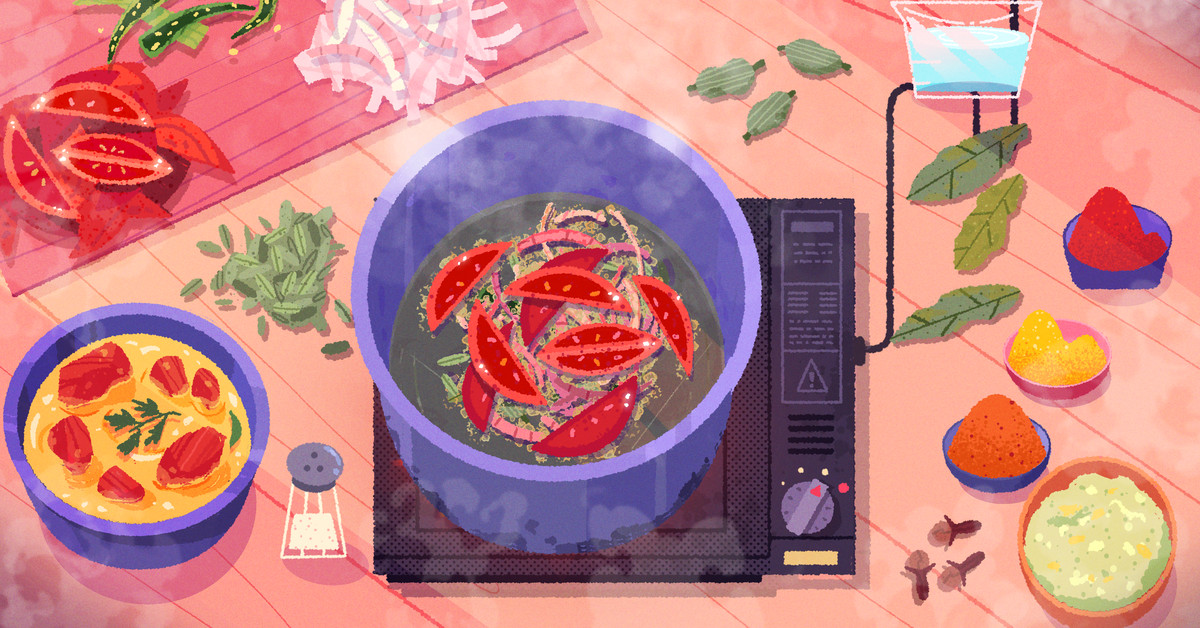
Venba is a game about growing up in North America to South Asian immigrant parents, the stress that that places on families, and the place that cultural food has in tying families together and connecting you to your cultural roots. Unfortunately it’s the second best game that does all of those things that came out this year. Maybe it isn’t fair to pit the two indie games about South Asian immigrants against each other, but everything I found lacking in Venba I got from another game much higher up in this list. My problem with Venba was that it ultimately felt a little toothless- it gestures at the messiness and struggles of this family, but doesn’t confront any of it in a head-on or satisfying way. Maybe that’s too much to ask for from a 2 hour game that tells most of its story implicitly, but it did leave me unsatisfied.
21. Phantom Brigade
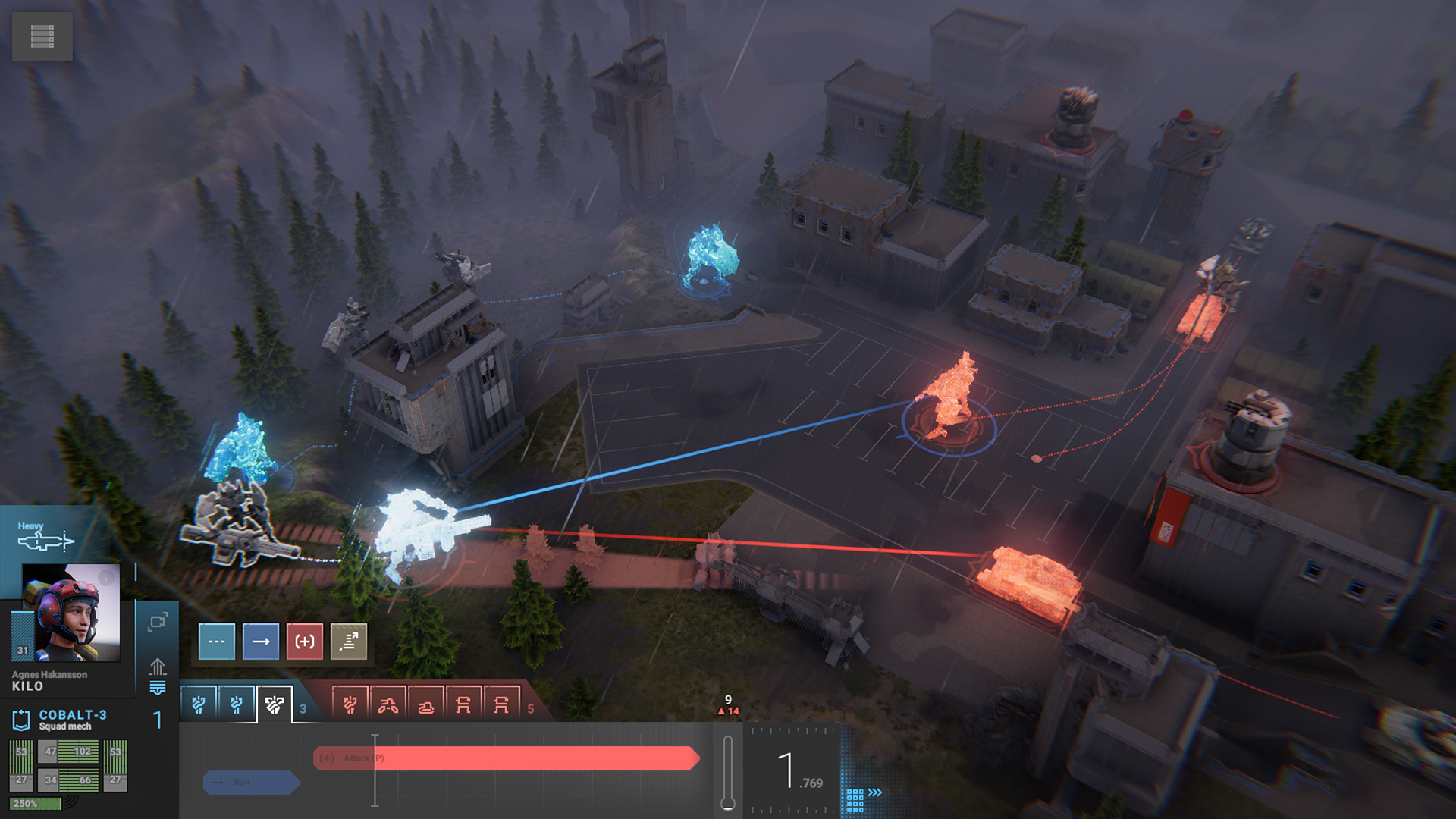
Phantom Brigade launched in a fairly barebones state, with an extremely long and mostly repetitive campaign of generated skirmishes across a giant world map, and not much to speak of in terms of modes and variety. That said, it has one of the coolest unique mechanics I’ve seen in a game in years, and that’s more than enough to make it stand out. Each giant mech battle plays out 5 seconds at a time- you plan out all your character’s actions on a video editing timeline then hit Execute to watch those 5 seconds of missiles and boost dodges happen in real time. The game constantly alternates between carefully planned strategy and cackling “HAHAHA YESSSS” as your mechs tear apart the enemies, and that flow rarely got old. It’s the kind of mechanic that I’m going to be thinking about for years.
20. Jusant
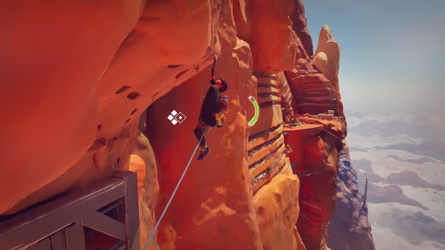
Jusant is a quiet, meditative game about a mountain climber in a post-apocalypse, exploring the abandoned remnants of a mountainside civilization that had left in search of the last of the world’s water. There’s very little in the way of dialogue or explicit story, and the gameplay isn’t something you can really “fail” or something that challenges you. You should already know at this point if you think that sounds like something you would enjoy or if you find yourself asking “but what’s the point?”- Jusant is everything it seems to be. It’s satisfying and calming, has some beautiful art and music, and will probably be too boring and uneventful for a lot of people. I had a good time playing through it in a few sittings on a quiet rainy weekend, in the same way that one might enjoy looking out the window with a warm cup of coffee.
19. Mortal Kombat 1
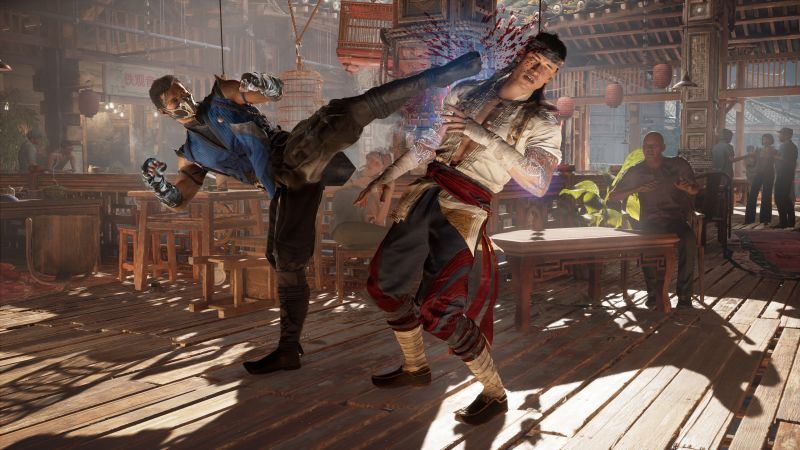
Mortal Kombat 1 is another entry in this category that is somewhat being punished in placement for comparing unfavorably to the previous entry in the series. Mortal Kombat 11 (which is the one before MK1, don’t worry about it), might have been my favorite fighting game package of all time. The story mode was amazing, the Krypt was an interesting way to unlock new customization options and collectibles, and the gameplay itself was good enough that I got really into the online and even played it at Evo. MK1 by comparison is… fine. All of the equivalent aspects are good, but… not as good as the last game. The biggest failure for me was the tag/assist feature they added, which felt more like change for the sake of change than a mechanic I wanted to engage with. I didn’t play a single game of MK1 online.
HELL YEAH
(200 word limit)
Hell Yeah games are games that I have very little reservation about recommending- if it sounds like something you’d like, it probably is! These are well-made, complete packages that I have few complaints about.
18. Sea of Stars
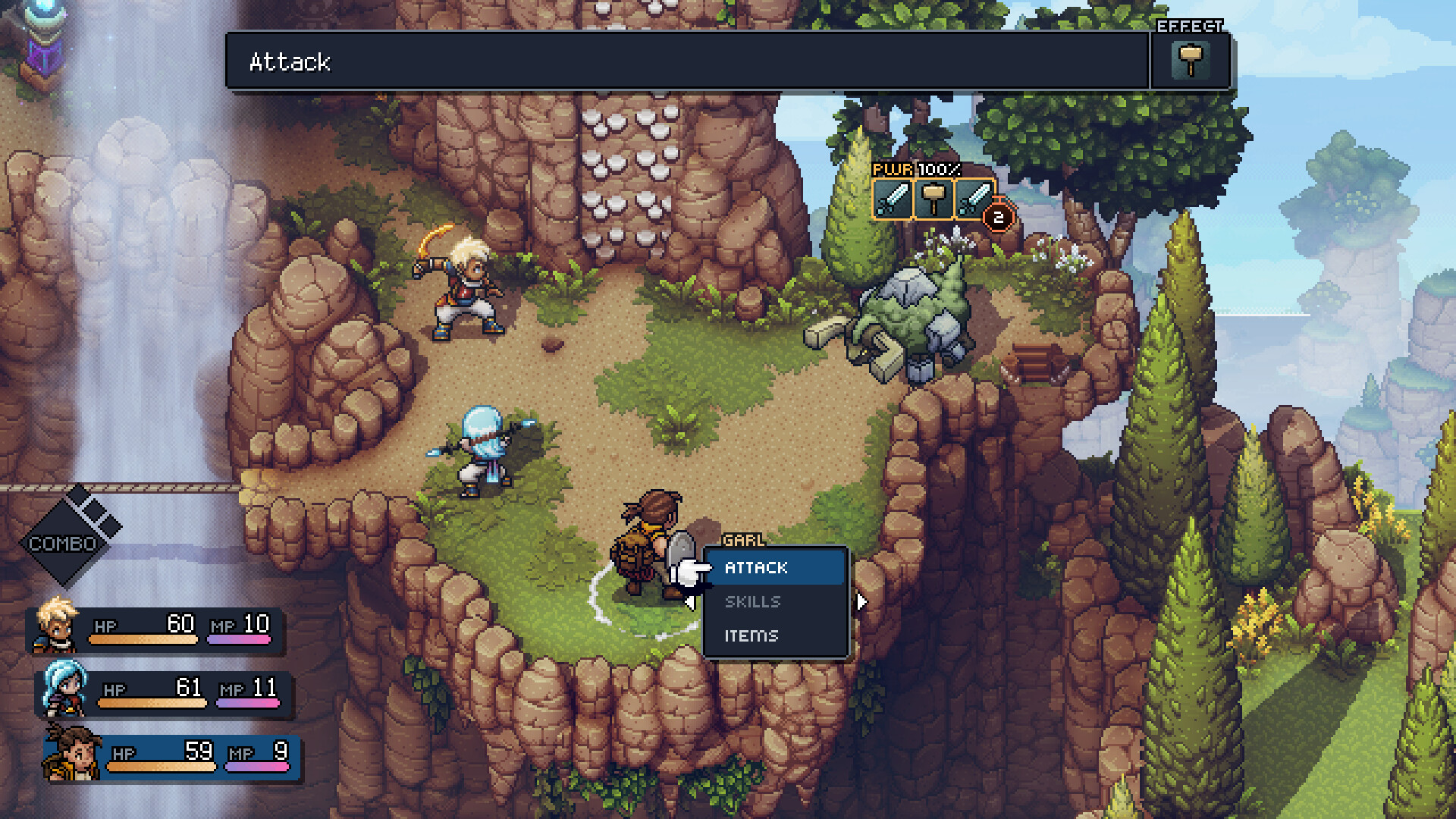
As you can see from a quick scroll through this list, I play and enjoy pretty much every genre of game. There are very few genres that feel like they’re starting at a deficit to get me to like them- but JRPGs are one of them. I have enjoyed plenty of JRPGs, but it always feels like I’m fighting against not liking menu-based combat to find other things to enjoy about the game. Sea of Stars has enough else going for it, both in the combat and outside of it, that I saw it through and am happy I did. The combat is almost puzzle-like in that it will tell you an incoming enemy move and make you choose which of your moves you employ and in what order to try to counter the enemy’s move before it happens. Combined with the timing minigames on attacks, that was enough to keep me engaged through the early hours of the story. By the time the story kicked up and got interesting, I was over the hump and actually enjoying myself. It’s a simple, frictionless game and I appreciated not having to think too hard about any aspect of it.
17. Hi-Fi Rush
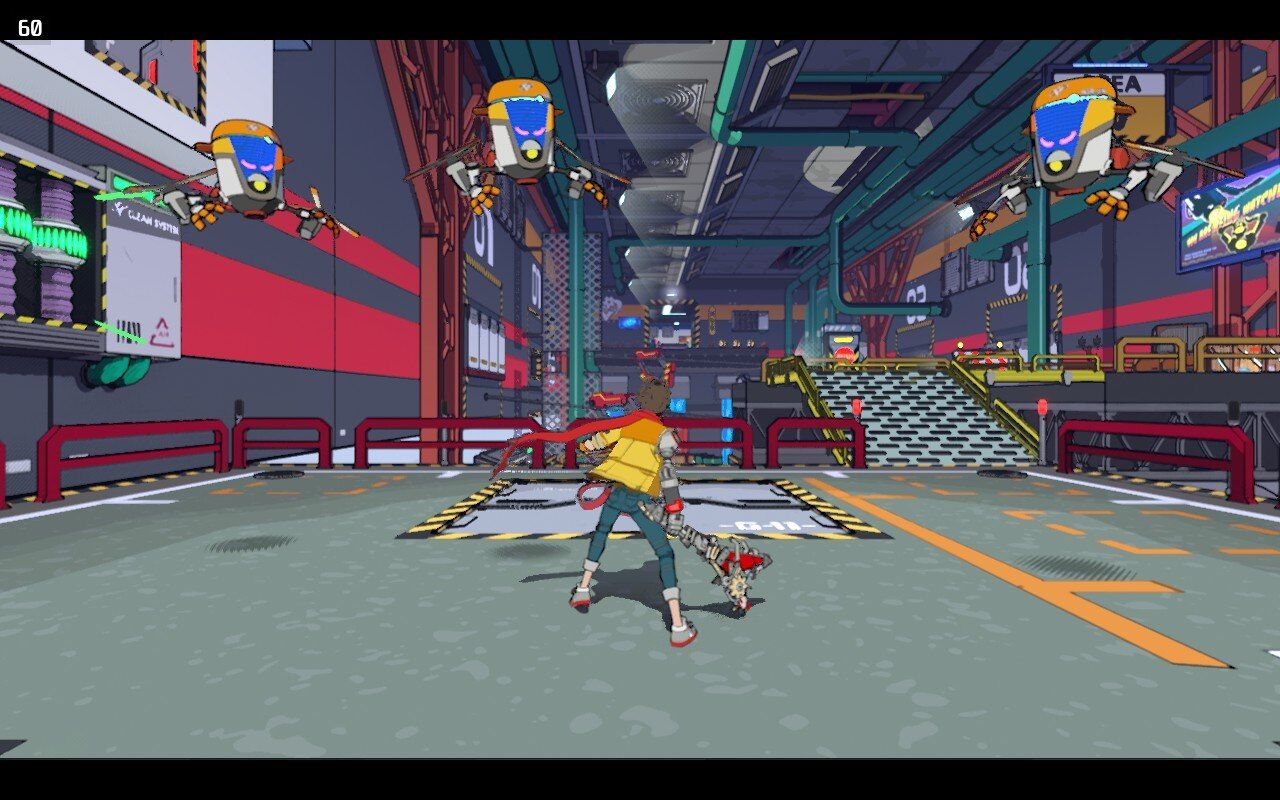
Confidence gets games a lot of points with me. Unlike the Final Fantasy XVIs and Starfields of this list that can’t seem to decide what kind of game they want to be and try to include a little bit of everything to be safe, Hi-Fi Rush knows exactly what it is. It’s small-scale, focused, and (most importantly) insanely polished. Every object in the environment bobs in sync to the music, and you and the enemies both attack to the beat of the game’s soundtrack. The animation transitions seamlessly between 2D and 3D, and between gameplay and cutscene. This all combines to make a game that’s really easy to get into a flow state with, especially if you’re familiar with the song you’re playing along to. The gameplay isn’t as deep or challenging as a stylish action game, but it’s satisfying throughout. The characters and story are the surprise standout, and are way better than they have any right to be (especially given the “Yeah, that’s me… you may be wondering how I got here” reveal trailer) and I would happily play along with Chai and the gang through more adventures.
16. DREDGE
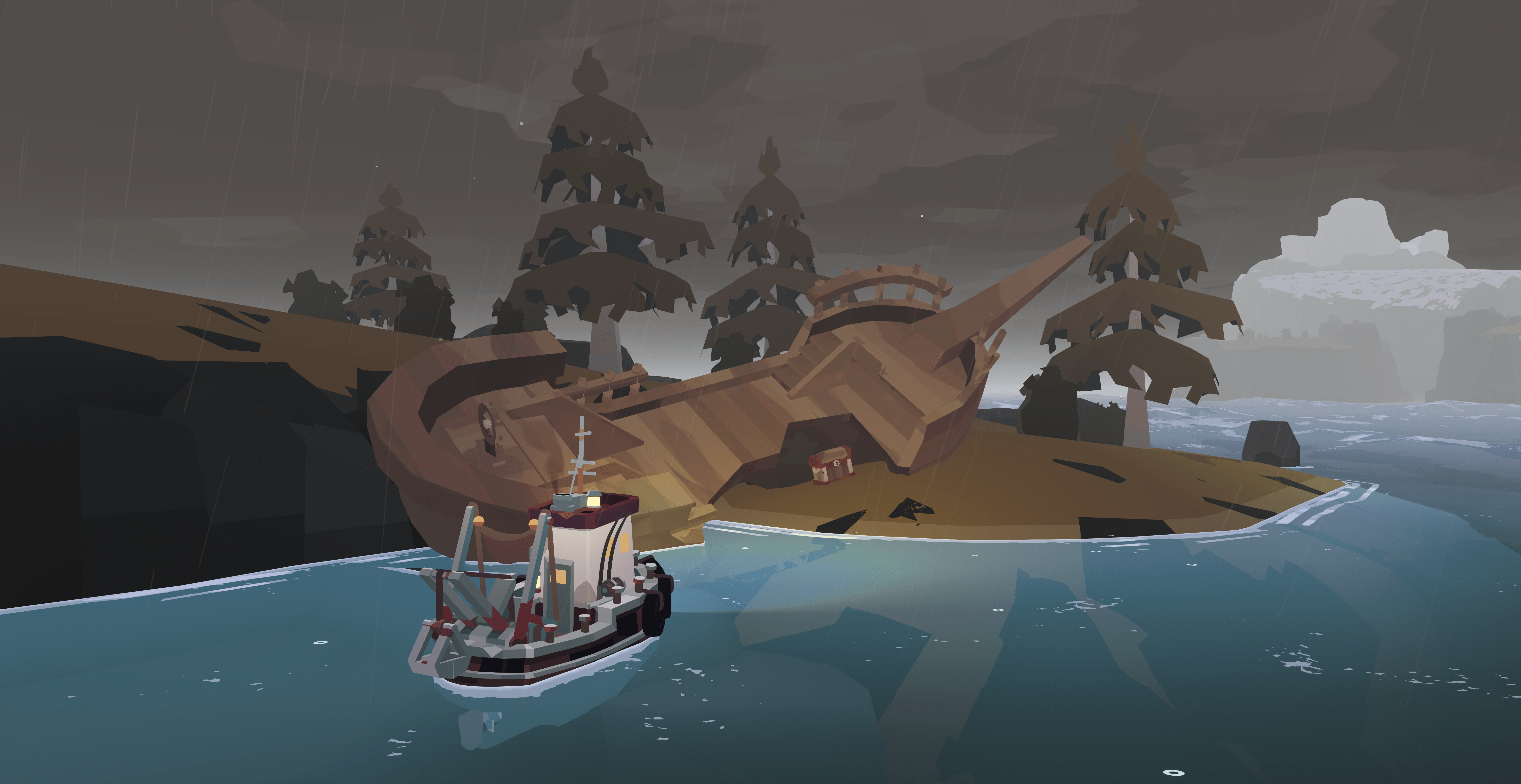
Horror + Fishing is the kind of genre mashup that feels like it was drawn from a hat, but it works surprisingly well in the extremely well-titled DREDGE. Little is explained at the beginning of the game besides “you’re the new fisherman in this town.” What happened to the old one? Unclear. What happened to The Old Ones? Actually, that’s exactly what the game is about! It uses Lovecraft-style quiet seaside horror as the mechanic limiting how much fishing you can do in a day before it gets too dark. It’s a fun risk/reward of trying to push the limit of how late you can stay out before The Madness takes you, and it’s a terrifying feeling to lose track of time and notice the sun going down when you aren’t expecting it. The rest of the game is based around Resident Evil-style limited inventory and simple linear ship upgrades that let you carry more cargo. It’s a good hook to give you momentum, and the upgrade resources are precious enough that you’re legitimately scared to lose them when monsters show up. It’s a game that gets by mostly entirely on vibes, and the vibes are terrible (in a good way).
15. Lies of P
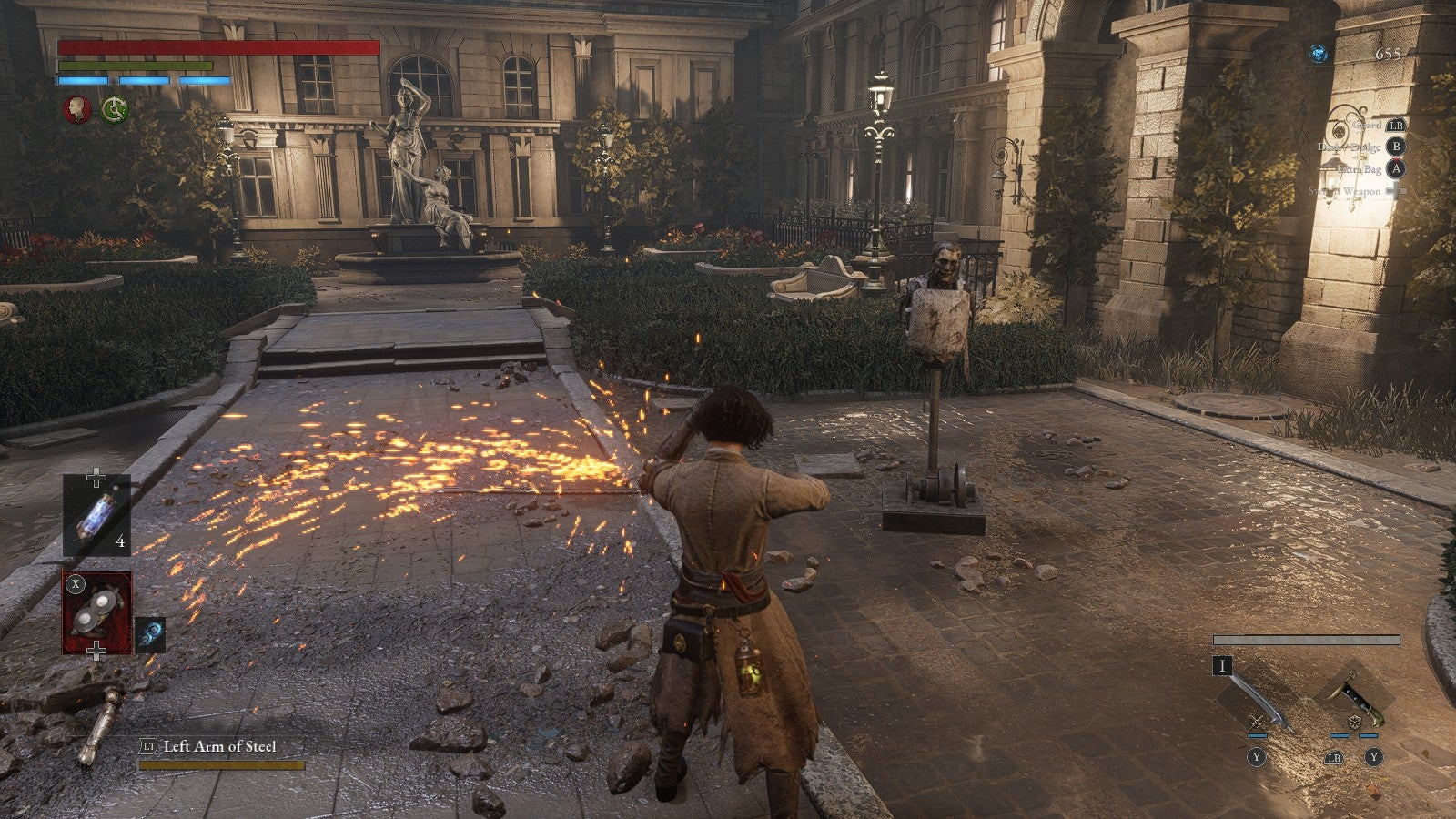
If you hear “What if Bloodborne was about Pinocchio” and think… “What? Why?” then you’re in good company, because that’s how I felt when I heard about this mashup as well. Even having completed and greatly enjoyed the game, I still don’t understand the “Why,” but the “What” is the best From Software imitation we’ve gotten to date. Lies of P is heavily inspired by Dark Souls, Bloodborne, and Sekiro to the point that it often feels like a fan game. In contrast to other games like Nioh and Wo Long, Lies of P does a good job in identifying what makes FromSoft games special, namely in level design. Lies of P’s levels are intricate and satisfying to navigate, wrapping back on themselves with shortcut ladders and one-way doors. The combat is also very well-balanced and satisfying, requiring both aggression and good defense to succeed. My only complaints are in the moments when its enemy attacks and boss designs are too 1:1 with From Software designs. Can you just lift the Tower Knight from Demon’s Souls wholesale and put it in your game? Can you just give one of your bosses Malenia’s Waterfowl Dance attack from Elden Ring? Apparently you can!
14. Cocoon
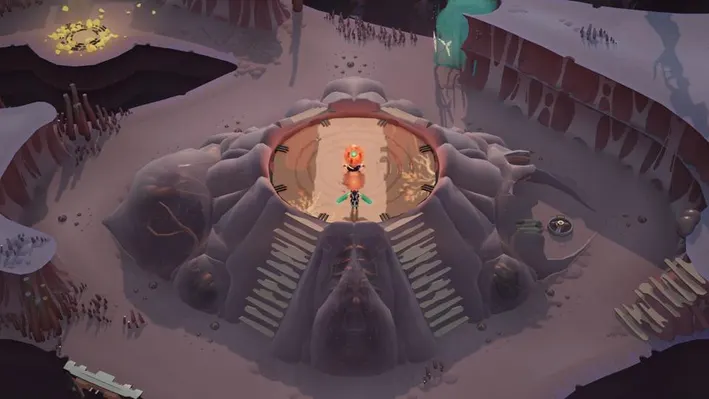
“Former Limbo and Inside developer made a puzzle game about bugs and orbs.” Sold! Cocoon is one of the games this year that I’m most jealous of as a designer- teaching players organically how to play your game with 0 text or explicit tutorialization is an amazing feat. When your little beetle guy walks over something he can interact with, a little flutter of his wings lets you know you can do something there. Everything is designed around that single multi-use “interact” button, and the puzzles increase in complexity throughout in a way that’s satisfying but never tips into frustration. The puzzles largely involve picking up and moving orbs around to power different devices and open new areas. The gimmick is that each orb is also a world of its own that you can dive into and solve more puzzles within. The late game puzzles involve some mind-bending recursion and worlds within worlds, but it’s a short game that ended before it got beyond my puzzle-solving limits. Cocoon feels like one of those games that will be talked about and referenced more than it was actually played the year it came out- your favorite game designer’s favorite game.
13. Dead Space Remake
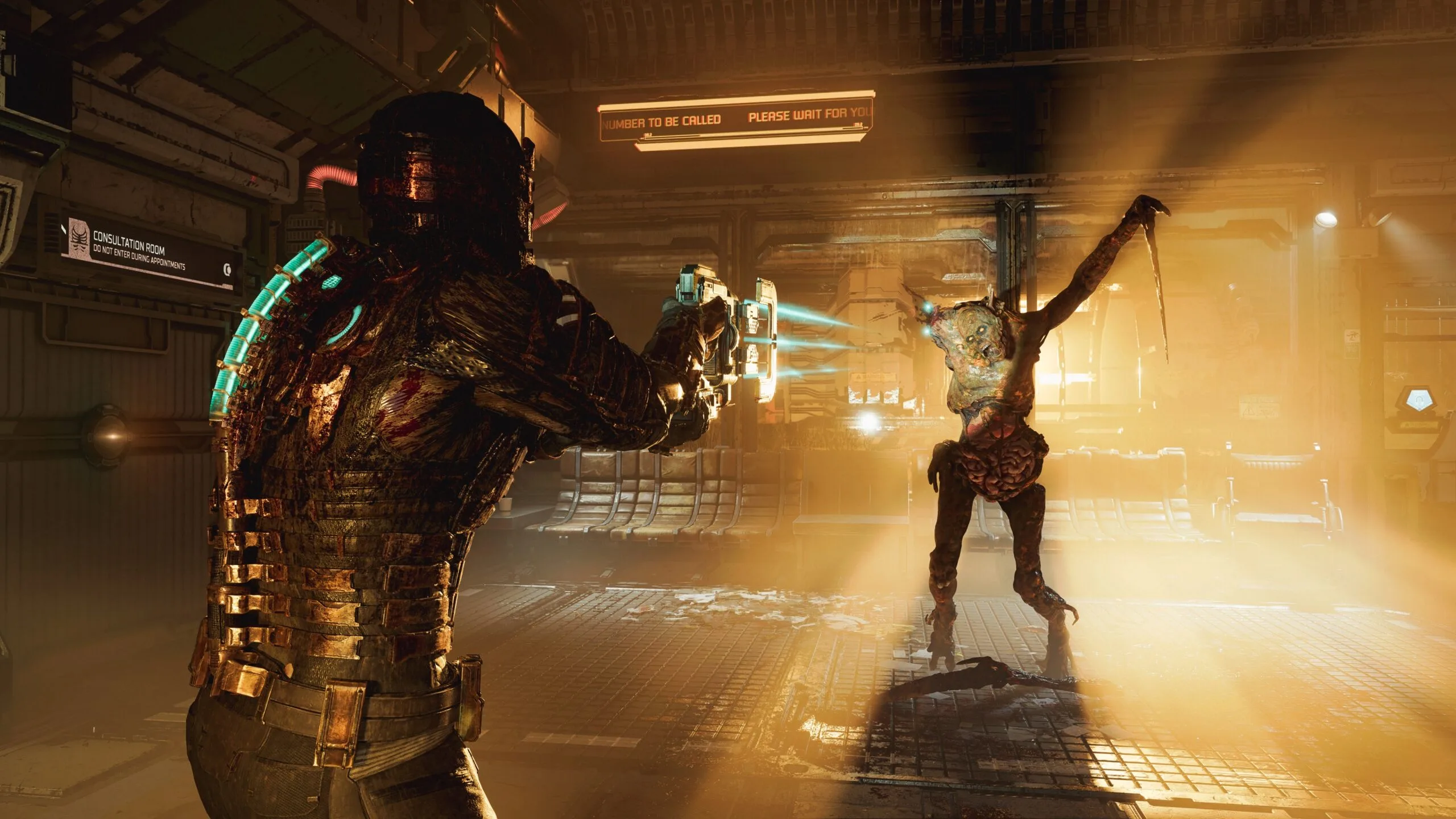
The terms “remake” and “remaster” have more or less lost all meaning in the last five years or so. Dead Space is officially titled a Remake, but realistically exists somewhere between the two definitions. There are some meaningful gameplay changes- a connected world rather than discrete levels you load into, some new side objectives and areas- but largely this is 80% of the same game that came out in 2008. This is great news, because Dead Space is an all-time great horror game. Visually, this upgrade is in the conversation for one of the best-looking games there is. Every aspect of both the mechanical ship parts and the organic monster design looks better than it ever has, while still maintaining the focus on lighting and atmosphere that are so integral to the experience. The gameplay has a couple tweaks in trouble sections from the original, but is largely unchanged. It’s just as satisfying as it was 16 years ago to hold your ground and systematically sever limbs while necromorphs charge at you from down a dark hallway. If this was a brand new game that came out this year, it would likely be as high as my Top 5 games this year.
12. Thirsty Suitors
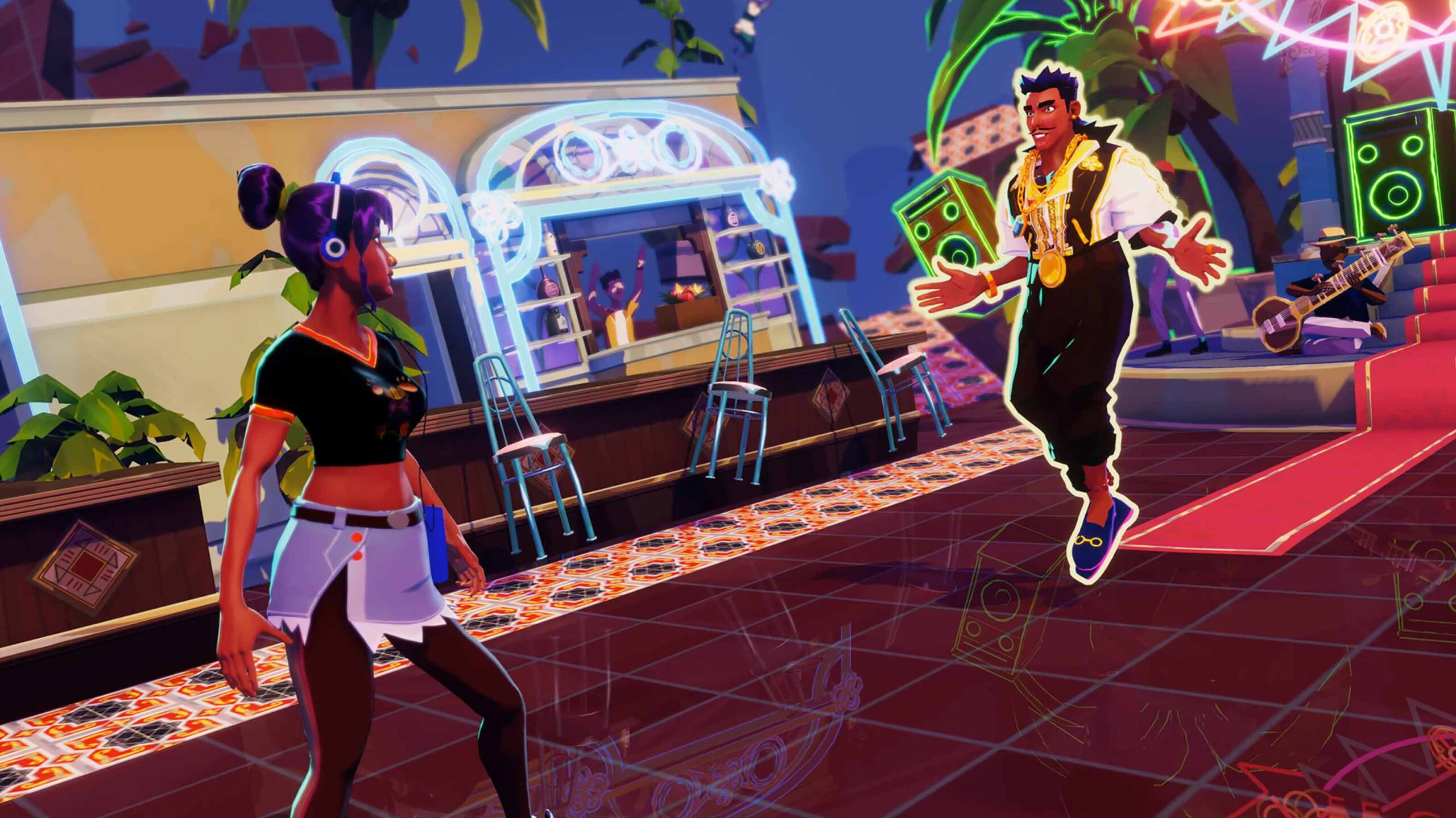
You remember from a couple thousand words ago how I mentioned there was a really good game from this year about an immigrant family, cyclical generational trauma, and how cooking can connect you to your culture and help you understand your family better? Thirsty Suitors is that game, while also being a Scott Pilgrim-like about confronting your past, a skateboarding game, and a Persona-lite turn-based RPG. The cooking and skateboarding minigames as well as the main RPG combat are available to you as much as you want to do them, and not required very much if you just want to see the character’s journeys through. It’s a game with a lot going on and none of the disparate gameplay mechanics are necessarily life-changing, but it’s all bolstered by what I found to be the best writing and dialogue of the year. It sounds like faint praise, but it’s not easy to pull off writing that feels modern and incorporates modern slang without going full “Steve Buscemi with a skateboard,” and Thirsty Suitors does just that. The characters talk like people their ages talk in the real world- what a concept! It’s equal parts hilarious and tragic, frivolous and complex.
11. The Cosmic Wheel Sisterhood
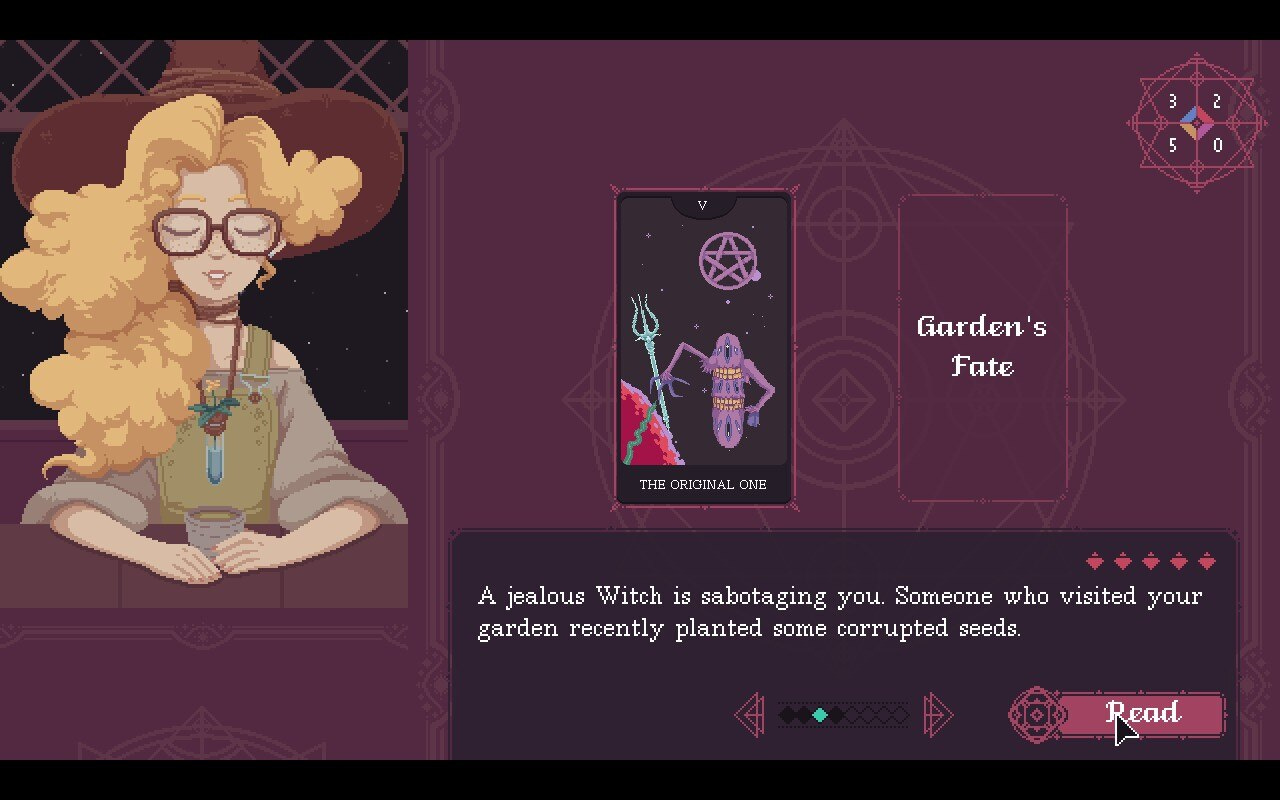
While I don’t necessarily “believe” in things like astrology or tarot cards, I’ve always respected them as an extremely evocative aesthetic. The Cosmic Wheel Sisterhood does away with the traditional tarot deck of the real world and lets you design your own by placing and manipulating preset characters, objects, and locations to make strange dreamlike images that are completely your own. I found myself taking this extremely seriously, trying to create images that were visually interesting and open to different interpretations. In games with creation tools like this I don’t often find myself compelled to buy into the world and try to make my creations “fit” as much as I did here, which is a testament to the game’s writing and world-building being so interesting. I loved helping people through their problems using tarot readings and learning about the world’s unique mix of fantasy and sci-fi concepts. The story is about a witch exiled from her coven to a floating asteroid in space, and eventually becomes about a political power grab after the former leader of the coven dies. I found myself unable to put the game down once the plot got going, and loved the bittersweet ending I got for the protagonist and surrounding characters.
MUST-PLAY
(250 word limit)
These are the 10 best games of the year. Run, don’t walk!
10. Star Wars Jedi: Survivor
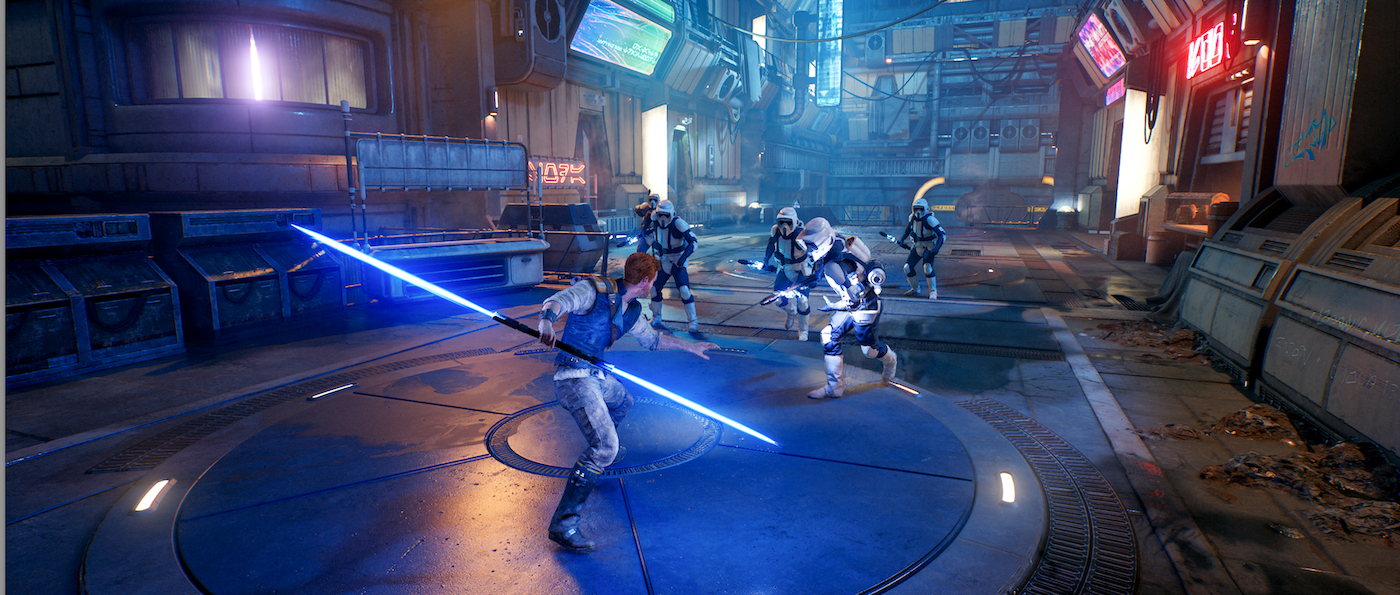
It feels weird to think of a multi-million-copies selling Star Wars game as an underdog, but in a year as stacked with huge releases as 2023, it really feels like Jedi: Survivor went under the radar. Maybe it was launching a few weeks before the new Zelda game on what will soon be the best-selling console of all time, maybe it was launching with a busted PC version that would crash every 10 minutes, or maybe it was just that it looked extremely similar to 2019’s Jedi: Fallen Order. These all affected me as well- I stopped playing in the first couple weeks after release both because it barely ran on my PC and because Zelda came out. I also admit to watching trailers and writing it off as “cool, another one of those.” I’m glad I came back and gave it a fair shake later in the year though, because it’s a big improvement over the first game in just about every way. The combat and platforming feel great, the story and characters are more interesting, and it does a much better job separating itself from the baggage of previous Star Wars media and establishing itself on its own footing. Besides the technical issues and crashes (which are mostly but not entirely fixed) it’s a very smooth game that’s easy to get momentum with. I would gladly play another one of these every 3 years or so.
9. Street Fighter 6
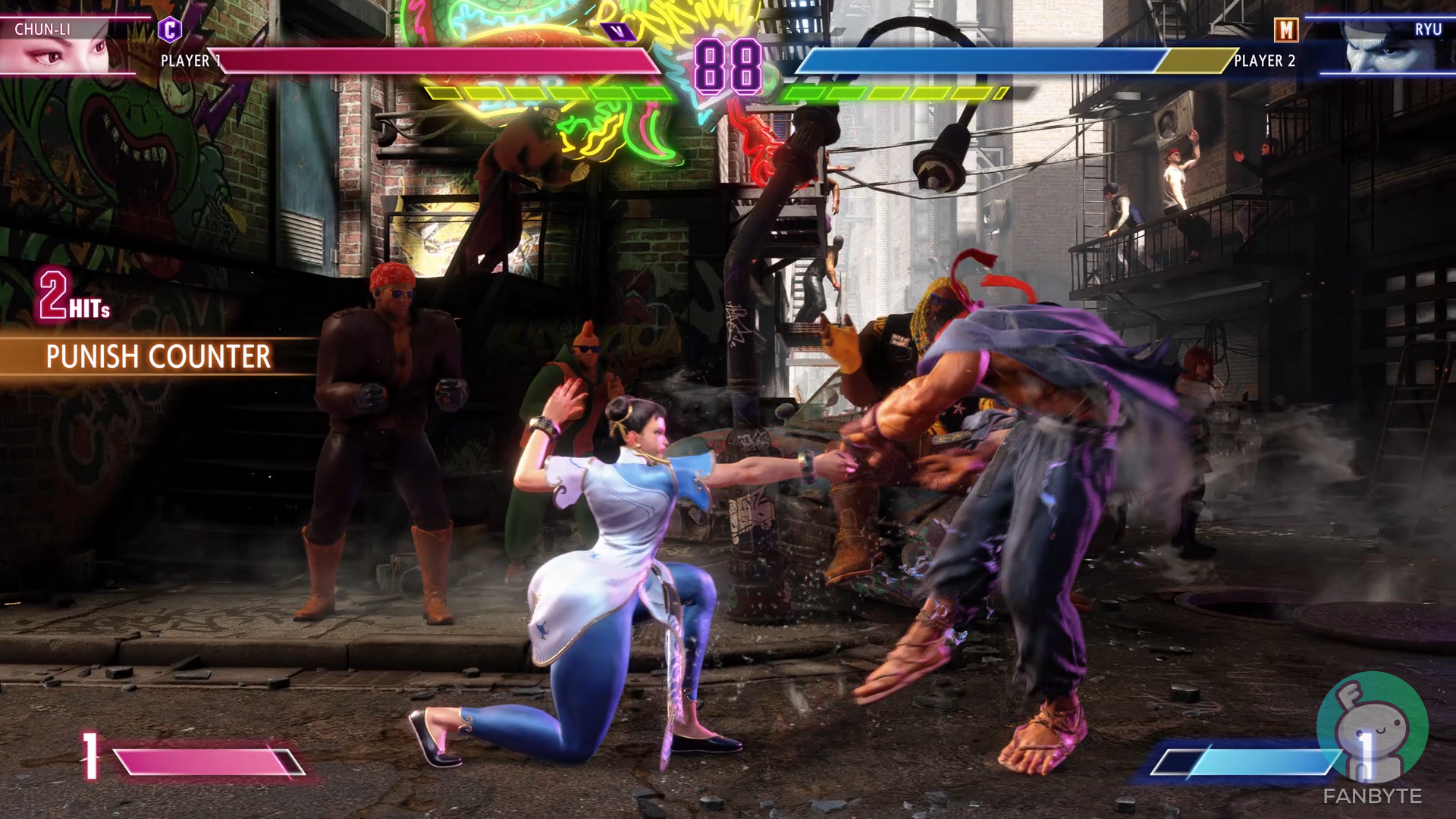
Despite all the online competitive team games I’ve played hundreds of hours of in my life, I’m not actually all that competitive with them. I treat them more as an opportunity to shoot the shit with my friends and maybe see a couple cool or funny things happen along the way. Solo competitive games like fighting games, though, make me “lock in” as the kids say. I talk out loud to myself the entire time, saying things like “nice read” and “need to punish that better,” I look up videos on how to play my characters, I even entered a couple online tournaments to try to test my skills. I’m not sure what causes this phenomenon- it could be pride or fear of embarrassment, it could just be a desire to learn and get better, but when I get into a fighting game it becomes one of the main things I think about. SF6 does a great job supporting this mindset (or grindset, if you will)- it has one of the best training modes in the business, fun combo trials, and easy access to replays. It also does a great job including sillier, more lighthearted modes with the single player offerings. Running around as your custom character texting Ryu and punching random civilians on their way to work never got old. Overall this is an excellent package and I plan to keep checking back in with it as new characters are added over the years. Release C. Viper, you cowards.
8. Spider-Man 2
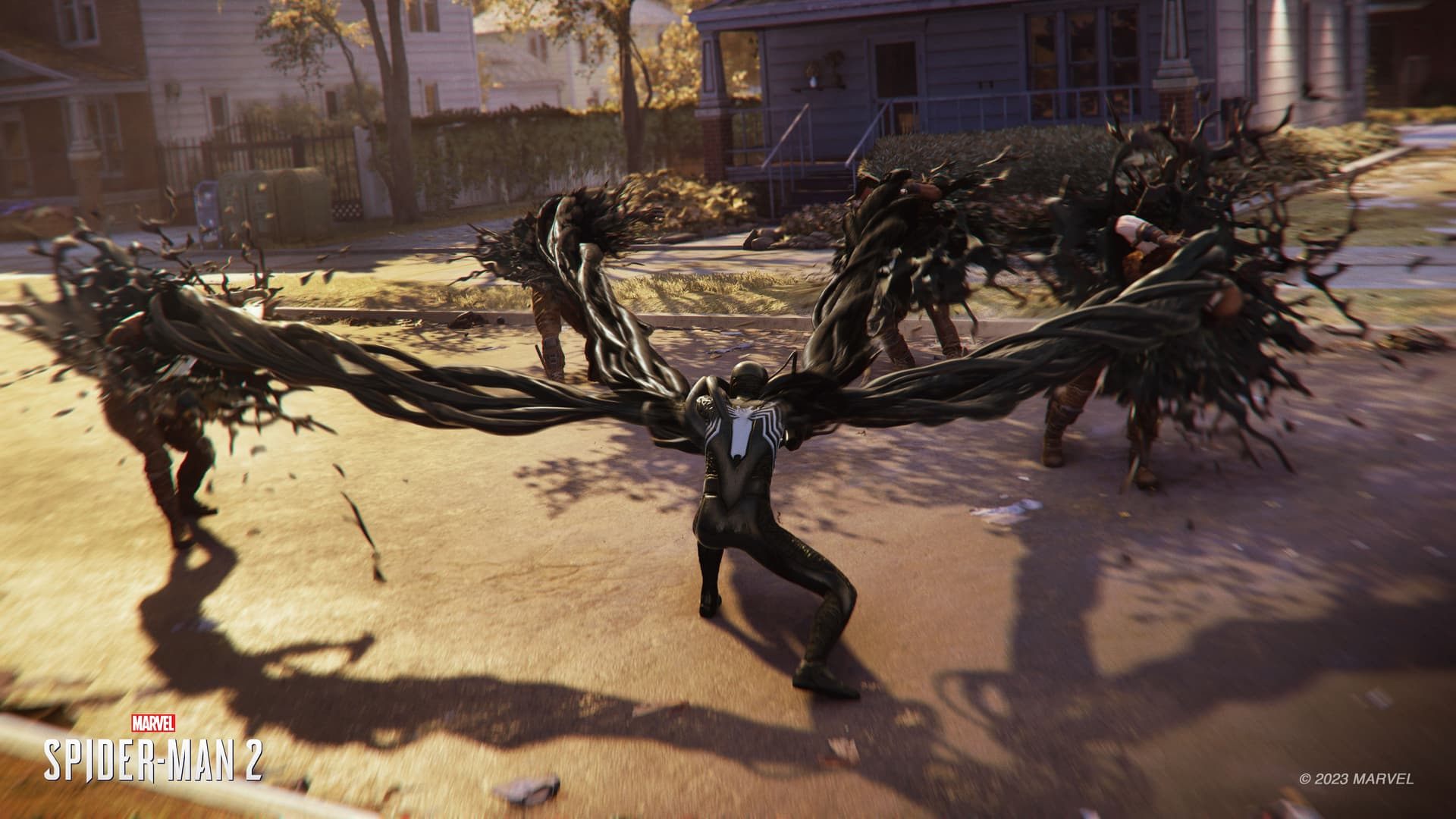
Look, I was born in the 90s. I’m not immune to thinking Venom is cool as hell. Spider-man 2 is primarily a Venom game, and in a world where the last time we’ve seen Spider-man and Venom clash in mainstream media was 15+ years ago (and bad), it’s really fun to see those guys interact again. Some details are changed around, some new characters are involved, but it’s largely the story you’d expect and largely pretty predictable. That isn’t necessarily a criticism- the comfort of familiarity adds to the nostalgic effect that Spider-man as a character inherently has. The same can be said of the gameplay and structure- it feels like the ultimate modernized version of a game from 10 or more years ago. The new wingsuit that lets you glide around New York between swings is awesome, but it’s an extension of the swingin’ around that was already great. The combat also feels like an improved streamlined version of the previous games’ combat, adding some flashy abilities on cooldowns and a bunch of fun upgrades along the way. It’s an extremely impressive game from a visual and presentation standpoint, the kind of game you’d pull a non-gaming family member into the room to say “look how crazy this looks!”, but it ultimately kind of just looks how a PS5 Spider-man game should look. Spider-man 2 doesn’t do anything you haven’t seen before in another game, but it does do most of those things better than just about anyone else.
7. Chants of Sennaar
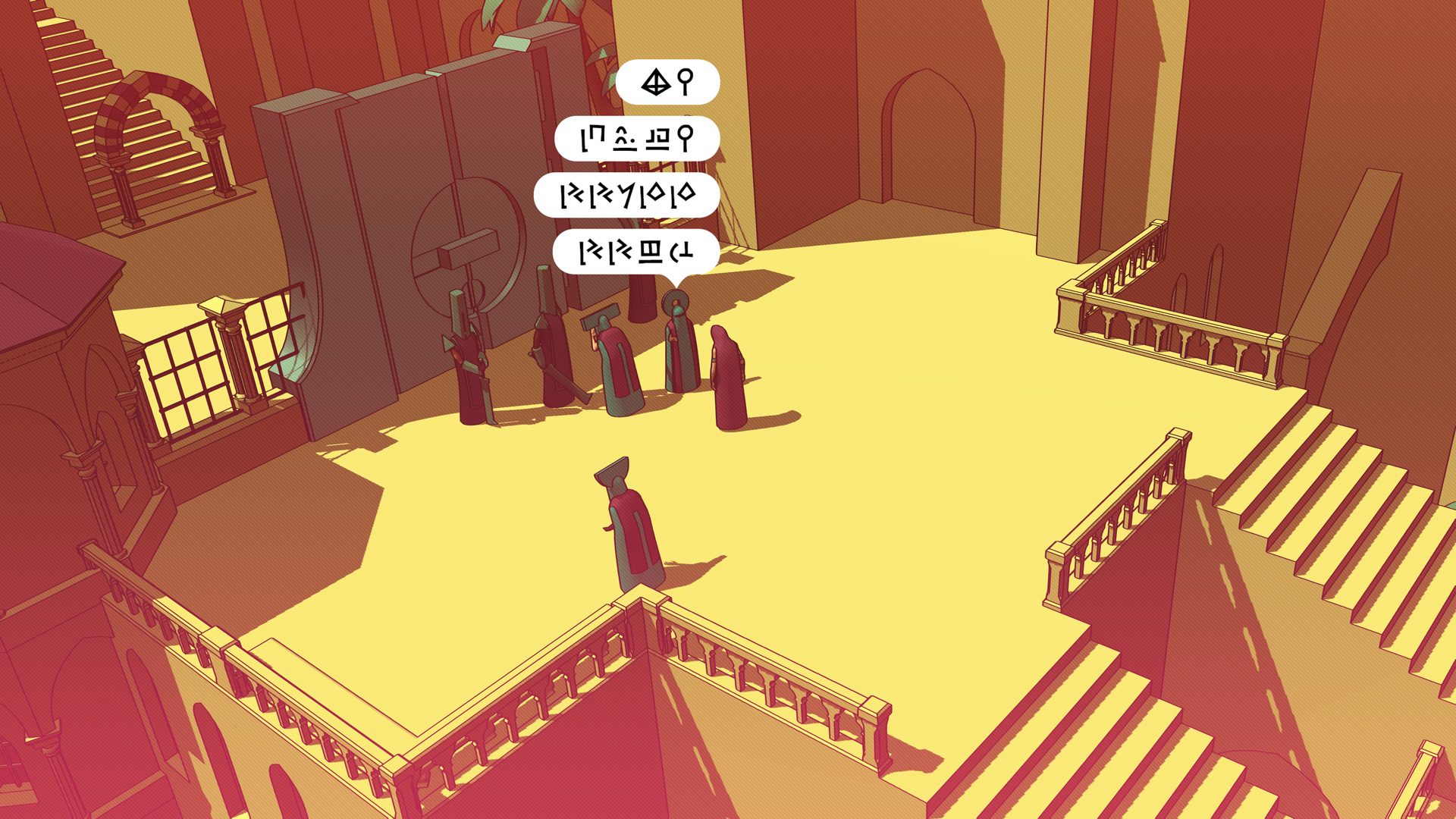
I’m a bit of an amateur linguistics nerd. Not in the sense of actually being able to speak more than one language, but in the sense that I love learning about etymology and the history of different languages. This made Chants of Sennaar’s simplistic fake languages perfect for me. There are a number of “languages” made up for the game, each one only consisting of a couple dozen words that need to be discovered. The game consists of walking around environments reading signs and talking to people, but as you enter each new area you don’t know what any of the symbols in that language mean. You have to use context clues in the environment and pattern recognition to figure things out, e.g. If everyone says the same word while waving to you, it probably means “hello.” You can temporarily pencil in your guess for any given word in and the game will automatically fill in that guess to conversations. It’s a game full of “aha” moments as things click into place, and the cascading effect of one solution leading to more is immensely satisfying. A lot of my favorite games of the last five years have been in a similar knowledge/discovery puzzle genre, and this one specifically being about the concept of language was a guaranteed hit for me. My only complaint is one I have about a lot of games- don’t put stealth in your game if that’s not what it’s about. It’s not fun!
6. Alan Wake 2
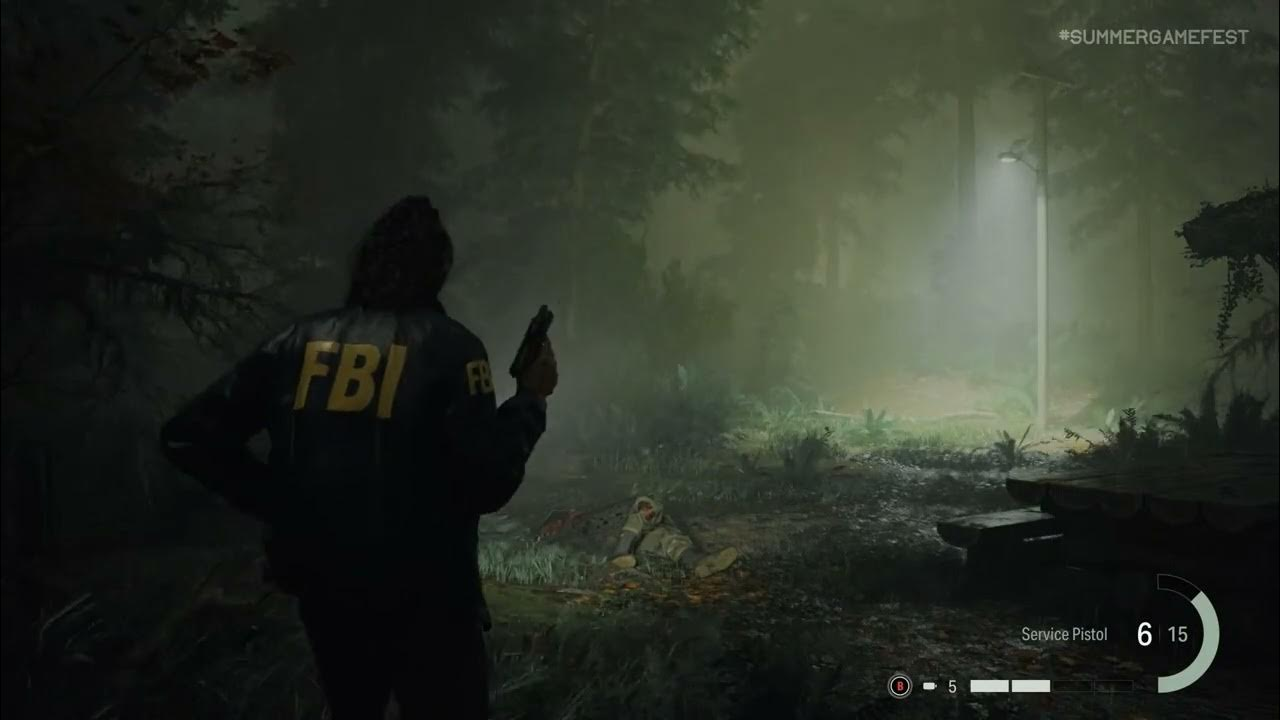
Games like Spider-man 2 and Jedi:Survivor are as high as they are on this list because they do everything well with very few flaws. Conversely, Alan Wake 2 is an absolute success in terms of presentation and a bit of a failure in terms of gameplay. It combines CG and live action video to incredible effect, and presents dozens of memorable scenes and moments using that tech. It tells an extremely compelling story about writing and art, and about how the people you care about can ground you in the darkest places and give you the motivation to carry on. It’s probably my favorite story of the year. So why are there five games above it on the list? Because it kind of sucks to play! The shooting is a poor imitation of the modern Resident Evil remakes, with more annoying enemies and clumsier controls. I frequently ran out of ammo for all of my guns or batteries for the flashlight, and had no choice but to backtrack to a completely different area and hope there were drawers I missed full of supplies. I ended up turning the game down to Story difficulty just to see the story through. This had the opposite balance problem of enemies dying in one hit and ammo being overly abundant. A version of this game that had gameplay as good as its narrative would be an all-timer, but as it stands it’s an extremely memorable, but flawed experience.
5. Super Mario Wonder
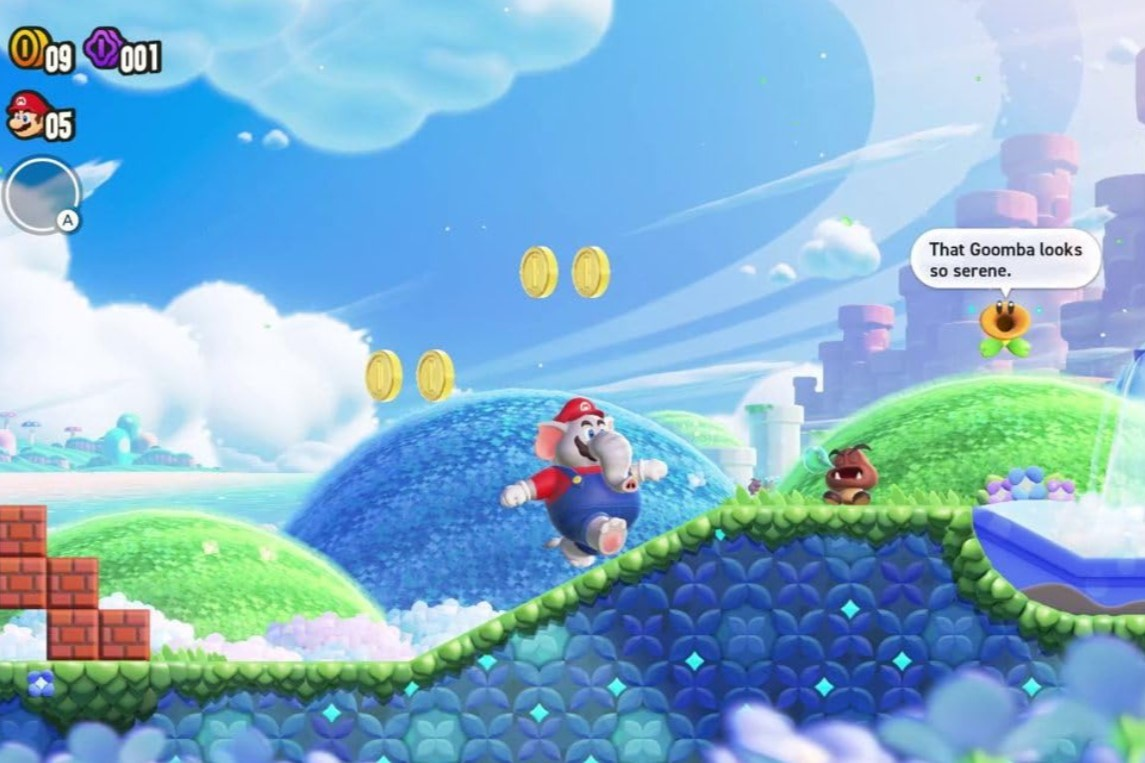
If games were graded purely on how much I smiled while playing them, Mario Wonder would be the winner with a bullet (bill). The levels are fairly bite sized, with only the most elaborate and difficult taking longer than a minute or so. Each level also introduces some new enemy, mechanic, or gimmick that makes each one memorable and fresh-feeling. One level might be a musical where the enemies are dancing around to the song the whole time, one might take place entirely in the sky jumping from balloon to balloon, one might let you go sideways and walk on the background, and all of them are delightful. Being ostensibly a children’s game, Mario Wonder also does a good job accounting for all skill levels and playstyles. If your goal is to just get in there and take out Bowser at the end, none of the required levels or collectible requirements will challenge you all that much, meaning children should have no problem progressing. The difficulty comes in finding all the hidden collectibles in each level and completing optional side levels that have the most difficult platforming in the game. The last level was a grueling gauntlet of challenges that took me multiple hours and dozens of lives to complete, and it was extremely satisfying to complete (even if I missed the flagpole on the first attempt and had to try it again). I 100%ed this game, and would gladly drop everything to play a sequel.
4. Resident Evil 4 Remake
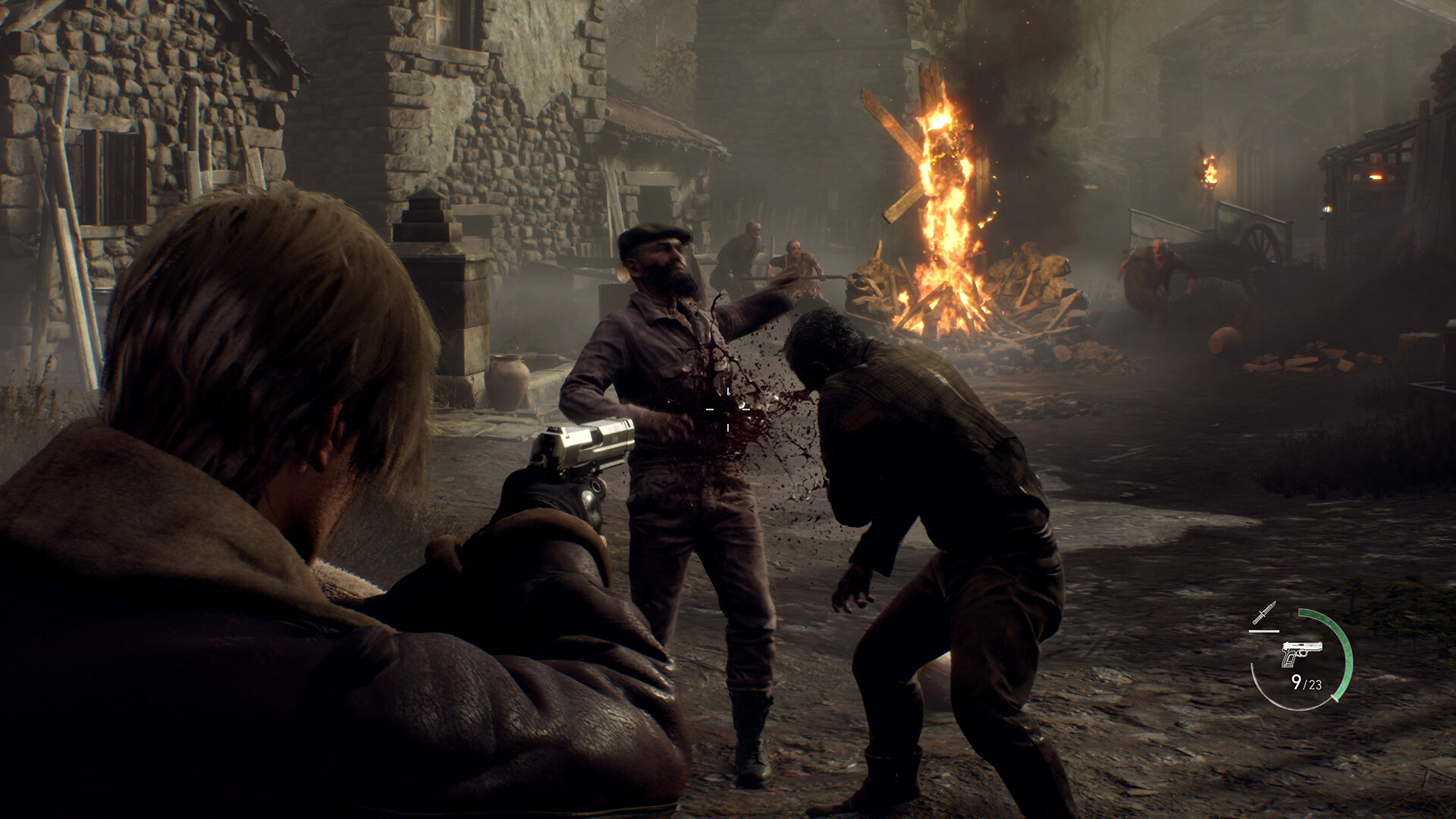
It’s easy to be exhausted of the current landscape of remakes and remasters in the games industry. If you asked me before development if I’d prefer a new entry in a series or a remake of a classic, I’d always choose the new game. That said, it’s hard to be upset when the remakes are as good as this. If you look at the two side by side, there are quite a few changes between the original RE4 and the Remake. There are some sections that are cut out, some that are added, but the biggest thing that’s maintained is that this game still has some of the best pacing in gaming history. There’s always momentum towards the next section, and no one setting or section goes on long enough to get stale. There’s a ton of variety in the locations at both a macro and a micro scale- whether you’re in the village, the castle, the island, or the lab, every combat scenario feels different and memorable. It’ll always have a different layout, different enemy combinations, or one-off gimmicks like a working elevator in the middle or a bunch of catapults firing at you the whole time. The game’s greatest strength is that it doesn’t feel like there are a handful of memorable moments with generic filler enemies in between them- every encounter is given just as much care and attention as the next. There’s little reason to play the original RE4 when the remake is this good.
3. Armored Core VI
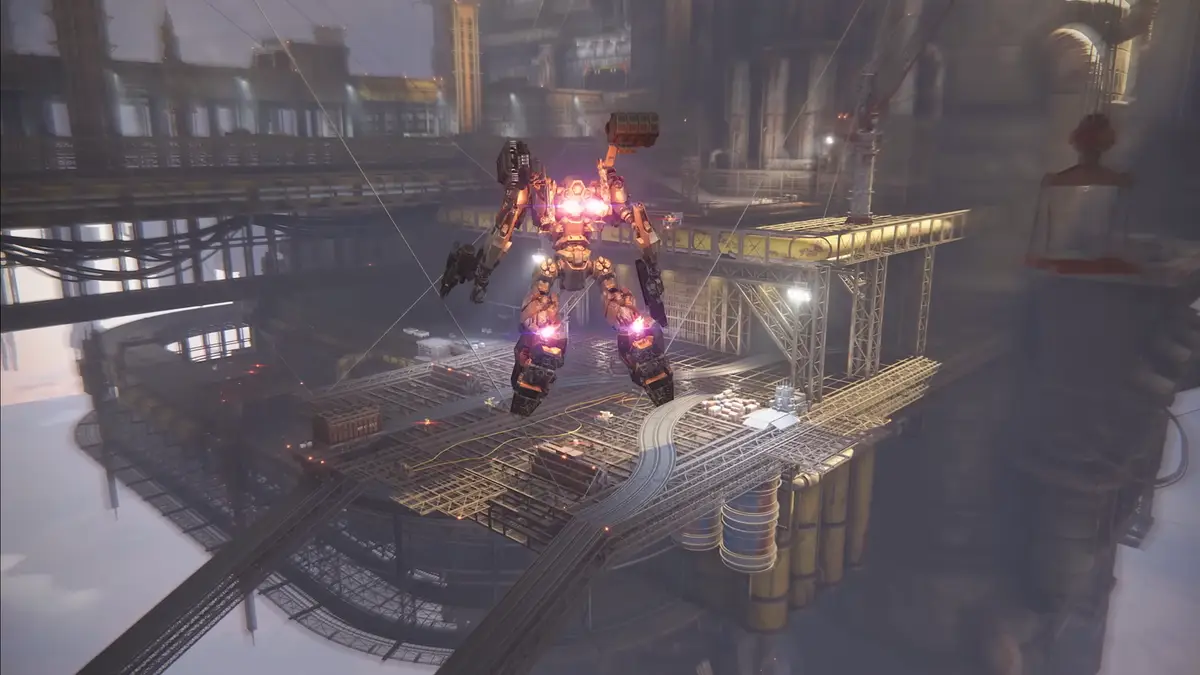
When your two most recent releases as a studio are my 2022 Game of the Year (Elden Ring) and 2019 #2 Game of the Year (Sekiro), I’m going to be interested in your next game. Armored Core is a completely different type of game in a completely different genre than From’s last six games or so, but I still trusted them to deliver on something that was well-considered, challenging, and cool. It turns out my trust was well-placed, because all of those studio staples are present in Armored Core VI. The biggest difference between the Souls extended series and Armored Core is the distribution of those pillars- Armored Core is indexed almost entirely into being cool as hell. There’s just as much build variety and gameplay customization here as something like Elden Ring, but the biggest difference is that it lets you (and expects you) to change builds and strategies on a mission-by-mission basis. This means you get to see the breadth of the weapon and strategy options on a single playthrough rather than having to commit to just one for dozens of hours like in Elden Ring. It gave me even more of an appreciation for From Software’s gameplay design, because every single build I tried felt great. That’s the other biggest difference between Souls games and Armored Core- the Souls games are about beating you down and making you feel like the little guy conquering overwhelming odds while Armored Core VI is about making you feel like a rocket-dashing missile-launching badass.
2. Baldur’s Gate 3
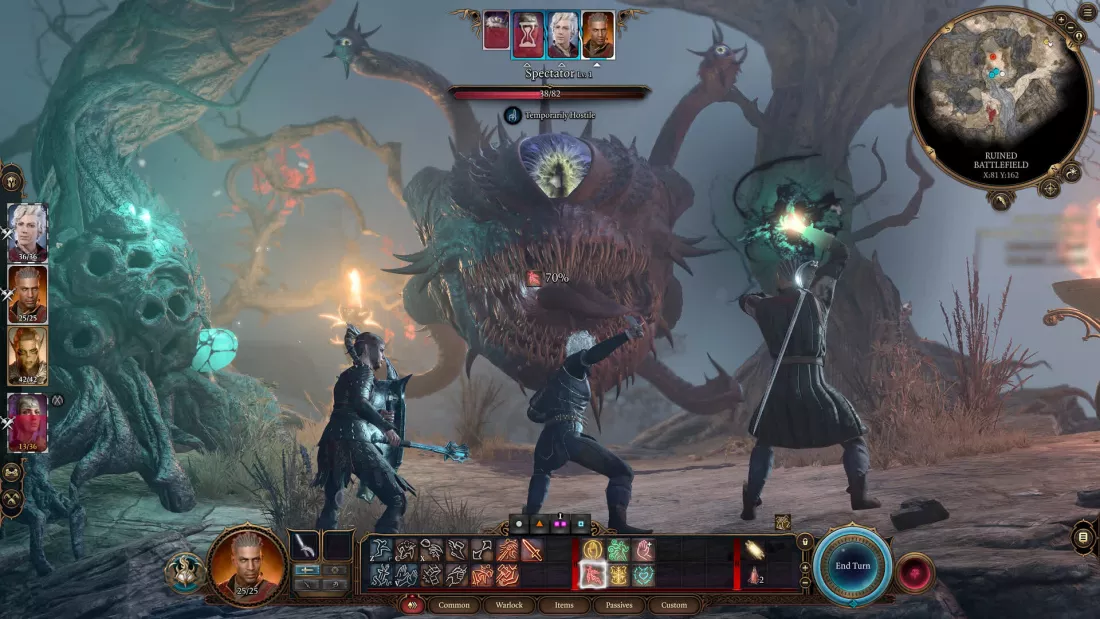
One of the through-lines I’ve noticed in the last couple years is that most of my favorite games are about a large, diverse cast of characters interacting with each other. Whether it’s League of Legends, Apex, fighting games, or RPGs like Mass Effect, I love games that are about interpersonal relationships in a small group. I would have already liked Baldur’s Gate 3 from the DnD setting and gameplay, but it’s the cast that really set it apart for me. It’s a game that’s aware of both DnD and RPG party character tropes, and plays with them in interesting ways. The visual trope of the rage-fueled tiefling barbarian is actually the “golden retriever” relentlessly positive character. The guy with the unflinching moral code who fights for what he sees as “justice” isn’t the Paladin, but the Warlock who made a deal with the devil. These little twists aren’t surface level either- nearly every character has much more depth to them that is only revealed over dozens of hours of interacting with them. Even the least interesting party members are more memorable and better-written than the best party members in a lesser game. Much like actual DnD, this game also succeeds in its ability to capture many different kinds of players. Whether you’re a a story-focused player who wants to get to know these characters, a hardcore number-crunching RPG nerd who wants a tactical challenge, or a completionist who just wants hundreds of hours of things to do, BG3 has something for you.
1. The Legend of Zelda: Tears of the Kingdom
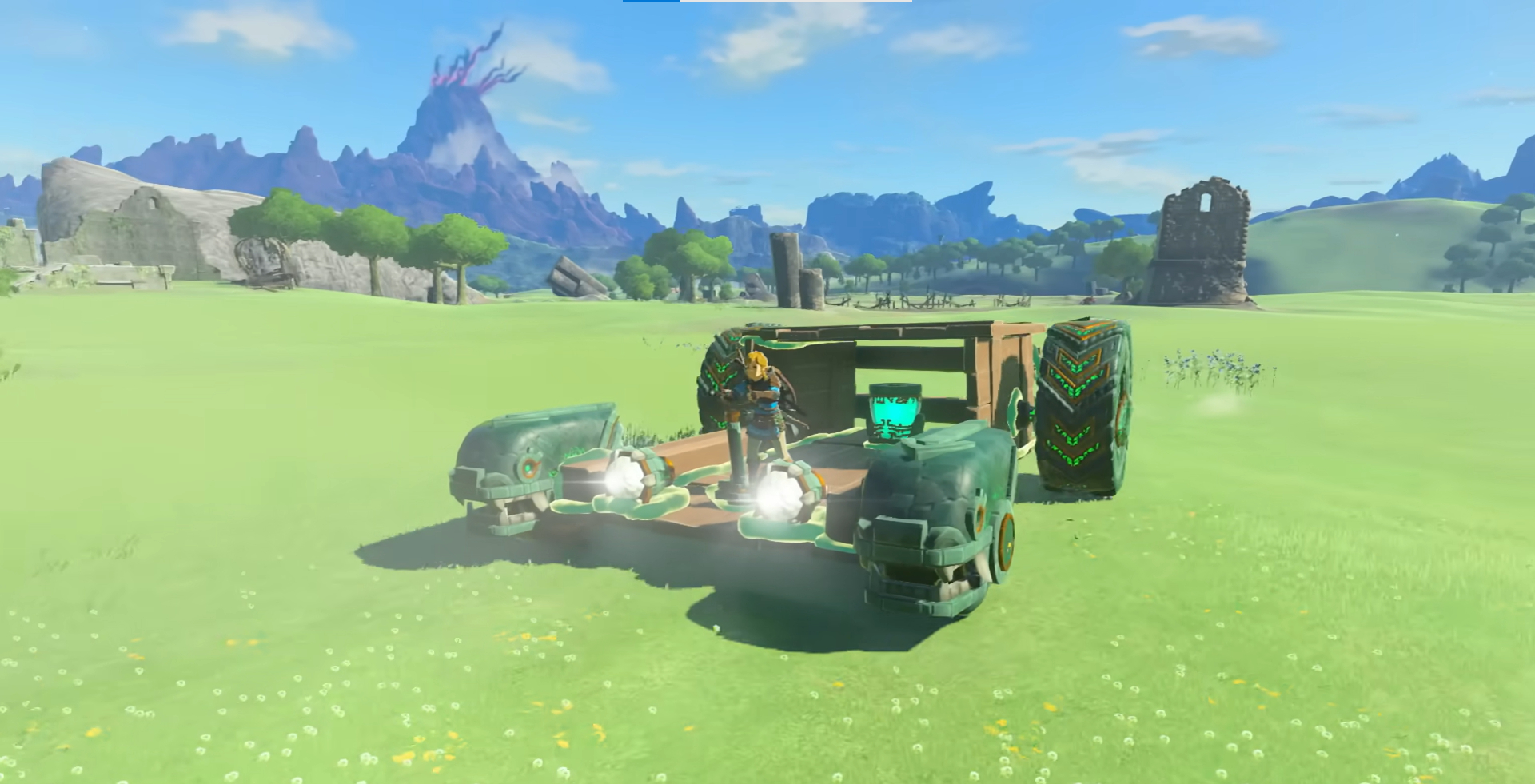
When Breath of the Wild came out, it was immediately topping Games of All Time lists and getting an endless parade of 10/10 reviews. Despite being a huge Zelda fan, that game made me feel like an outsider looking in. Don’t get me wrong, I thought it was very good- but I didn’t have the world-shattering reaction most seemed to, and it wasn’t even in my top three Zelda games. I’m not sure if I’m just in a better place in 2023 than I was in 2017, or if the weirdness of Tears of the Kingdom is just more tailored specifically to my interests, but I get it now. Goddamn, do I get it now. Tears of the Kingdom is a game that’s so good it’s annoying. Any of its four main powers would have been the main event in any other game, and would have taken years and years of polish to get right. Even then, the powers are crazy enough that you would have cut them some slack if they were a little buggy or clunky. But they just… aren’t. They all work flawlessly. It’s a game that gives you access to object rewinding, ascending through ceilings, combining any weapons with each other, and building your own functional vehicles and it somehow all holds together nearly completely bug-free. This polish is what gives it the edge over the also-incredible BG3 for me, and makes Tears of the Kingdom my Game of the Year for 2023.
Games I Wanted to Get To/Play More Of
Goodbye Volcano High
El Paso, Elsewhere
Oxenfree 2
A Highland Song
Slay the Princess
Pikmin 4
Robocop: Rogue City
Granblue Fantasy Vs. Rising
Games I Didn’t Want to Play That Might Make You Ask “What About That Game?”
Hogwarts Legacy
Call of Duty Modern Warfare 3
Dead Island 2
Assassin’s Creed Mirage
Honkai Star Rail
 johnscovic.cool